2026 Annual Nonprofit Conference
Oct. 27, 2026 | Hartford, CT
The Annual Nonprofit Conference is Connecticut’s premier gathering created by and for nonprofits. Designed to inspire, energize, and equip leaders and supporters across the sector, the conference brings together a dynamic community committed to driving impact and strengthening organizations.
With workshops tailored for teams at every level, ANC’26 provides the tools, strategies, and connections you need to grow your organization and expand your impact. Beyond the workshops, it’s a day to recharge, build relationships, and spark new ideas with peers who share your passions.
Mark your calendar for October 27, 2026 and get ready for a day of learning, networking, and inspiration. We look forward to seeing you at ANC’26!
TICKET PRICING
Member
Price Per Ticket- Breakfast & Lunch included
- 18 Sessions including Keynote!
- Interactive Exhibitor Hall
- Free Tote to the first 500 at Registration!
Member 3+ Bundle
Price Per Ticket- Breakfast & Lunch included
- 18 Sessions including Keynote!
- Interactive Exhibitor Hall
- Free Tote to the first 500 at Registration!
Non-Member
Price Per Ticket- Breakfast & Lunch included
- 18 Sessions including Keynote!
- Interactive Exhibitor Hall
- Free Tote to the first 500 at Registration!
2025 Annual Nonprofit Conference
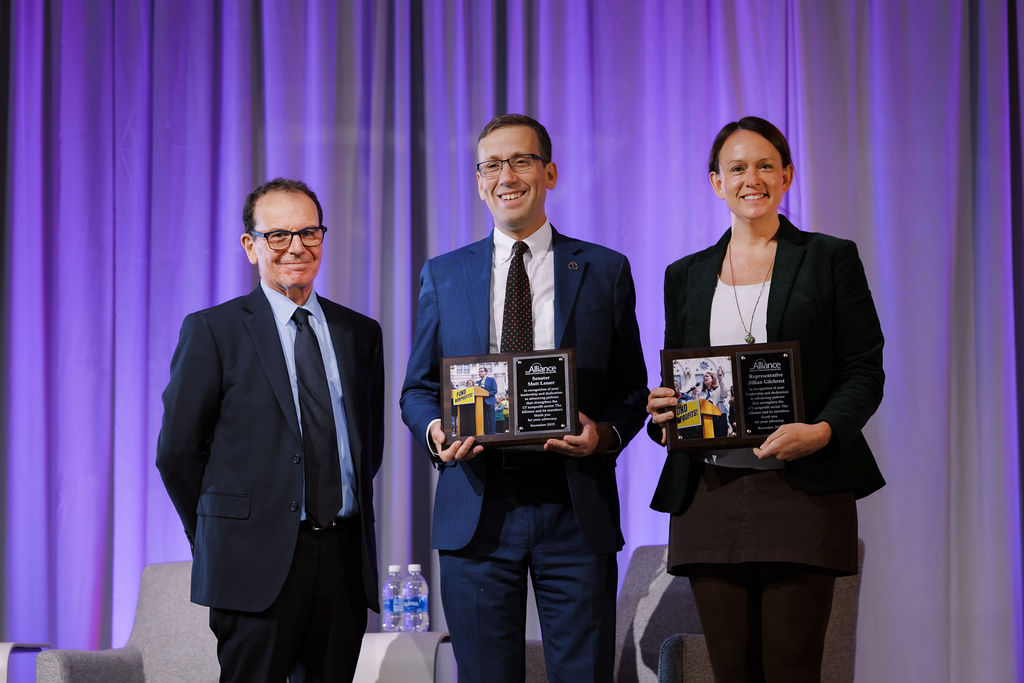
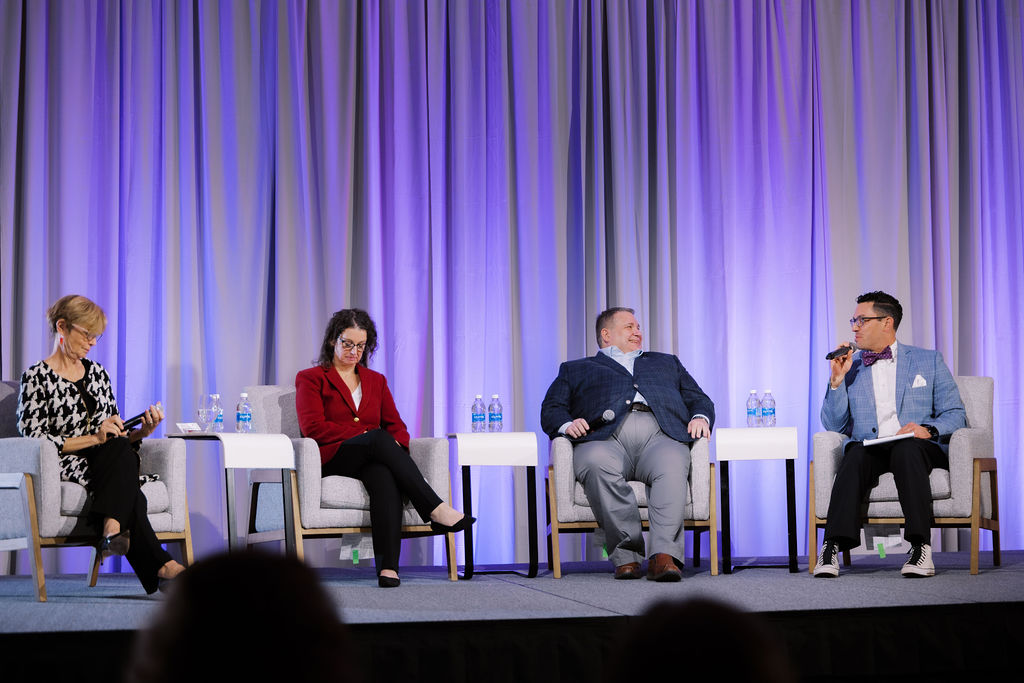
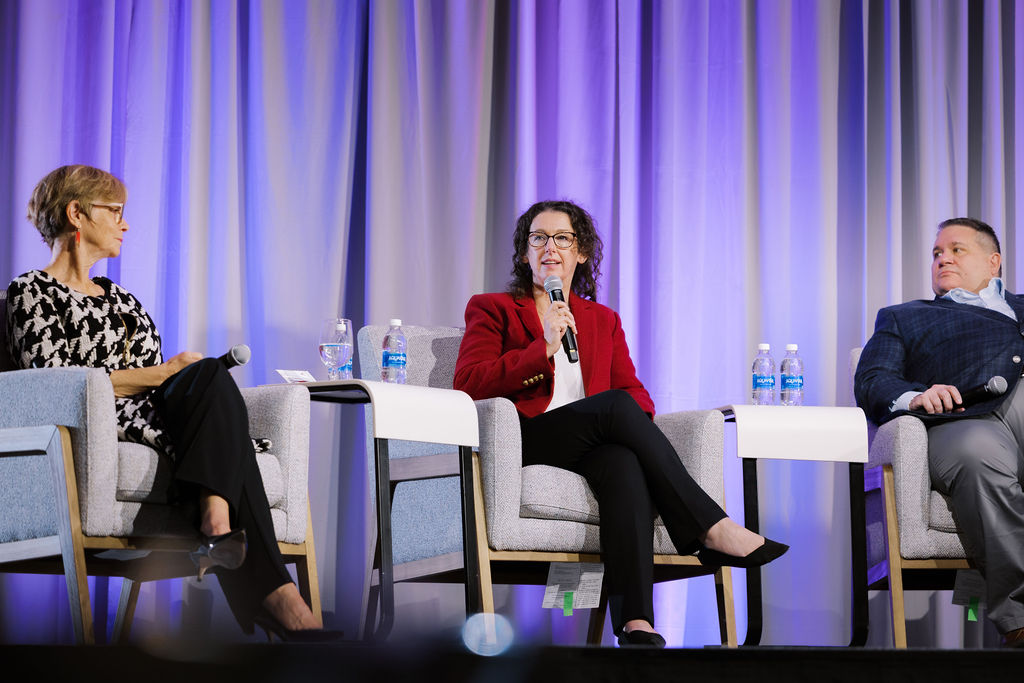
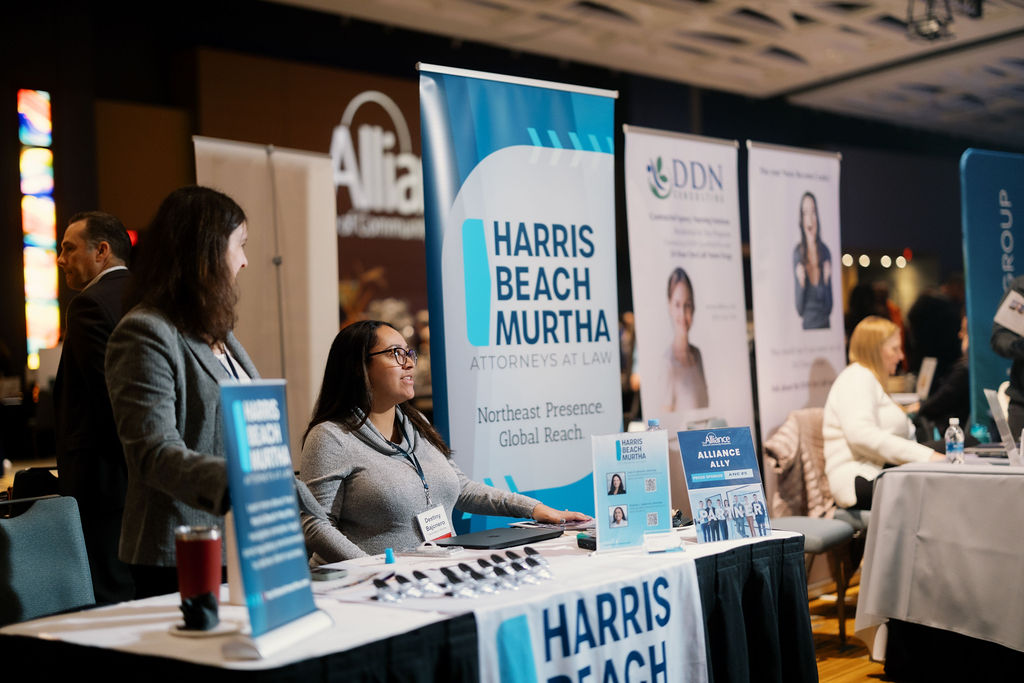
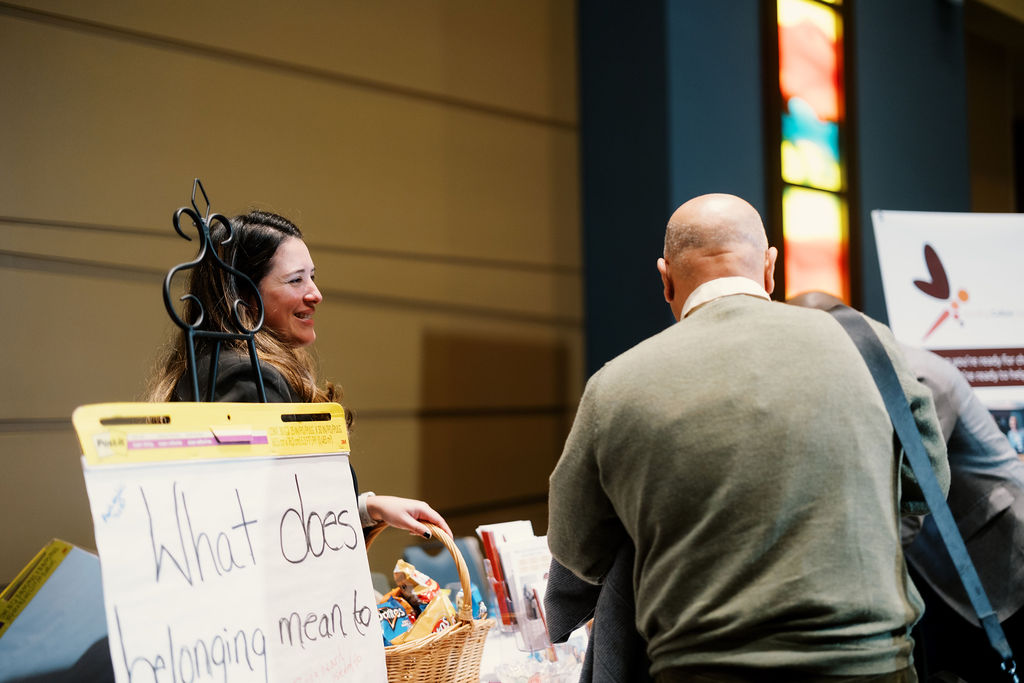
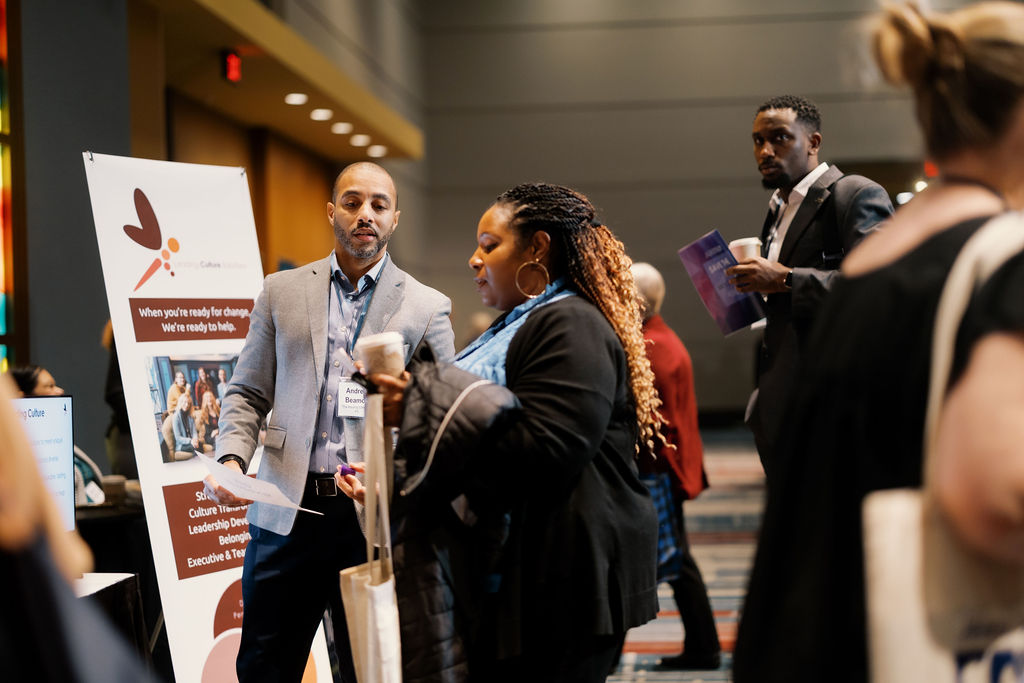
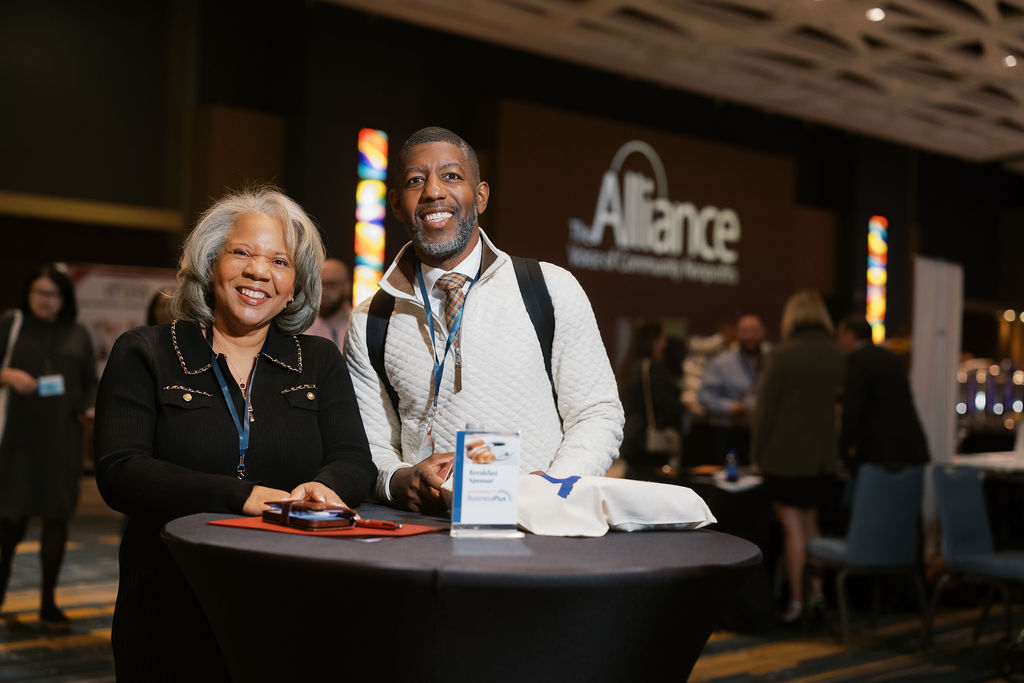
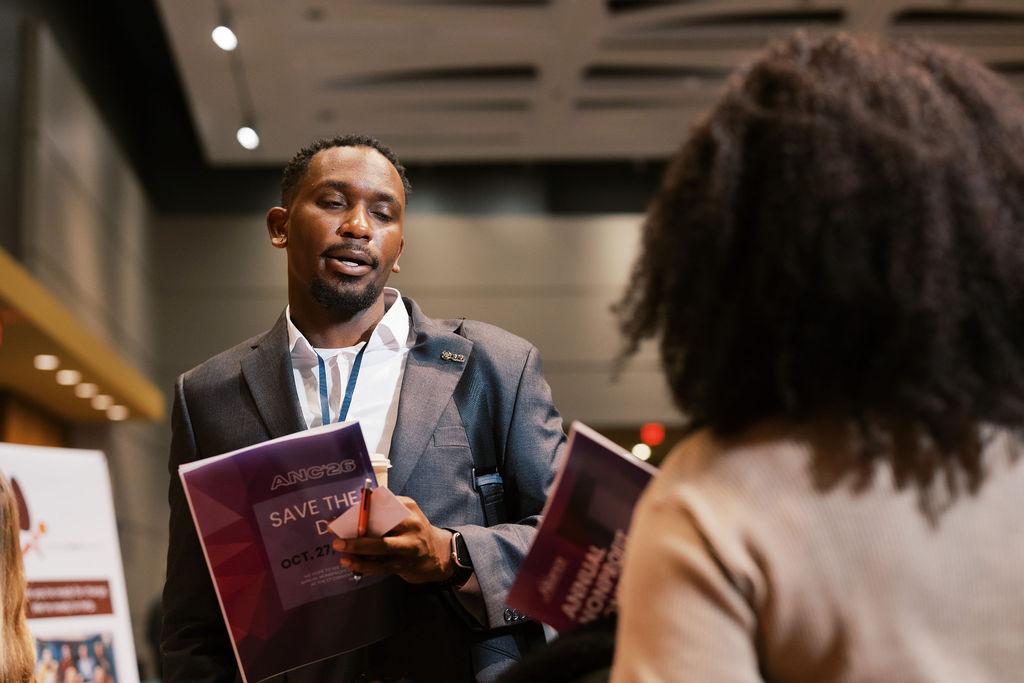
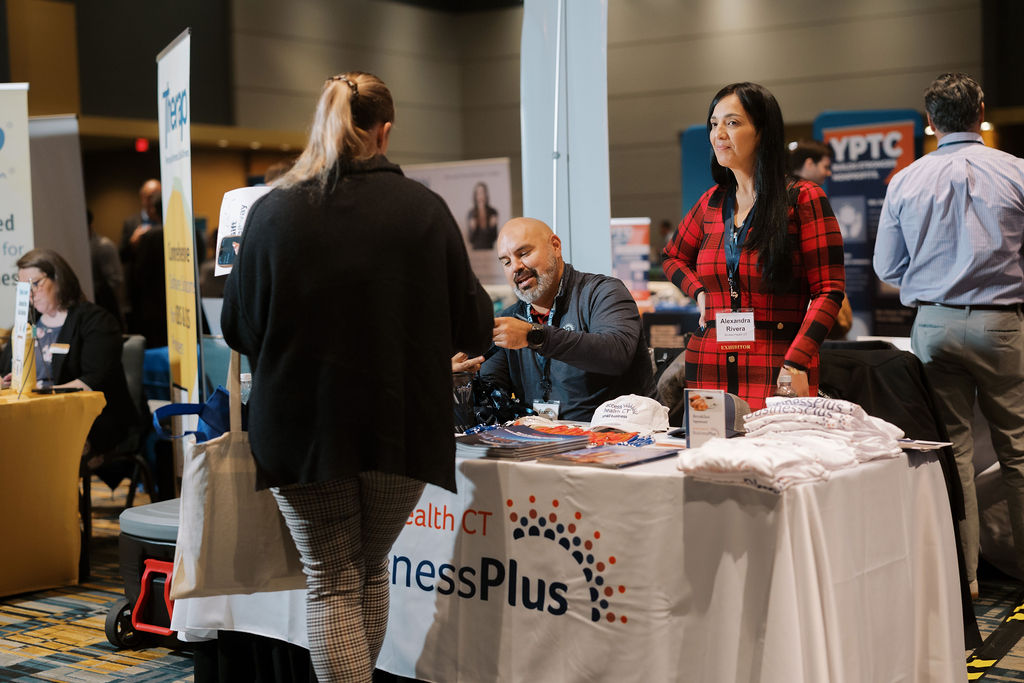
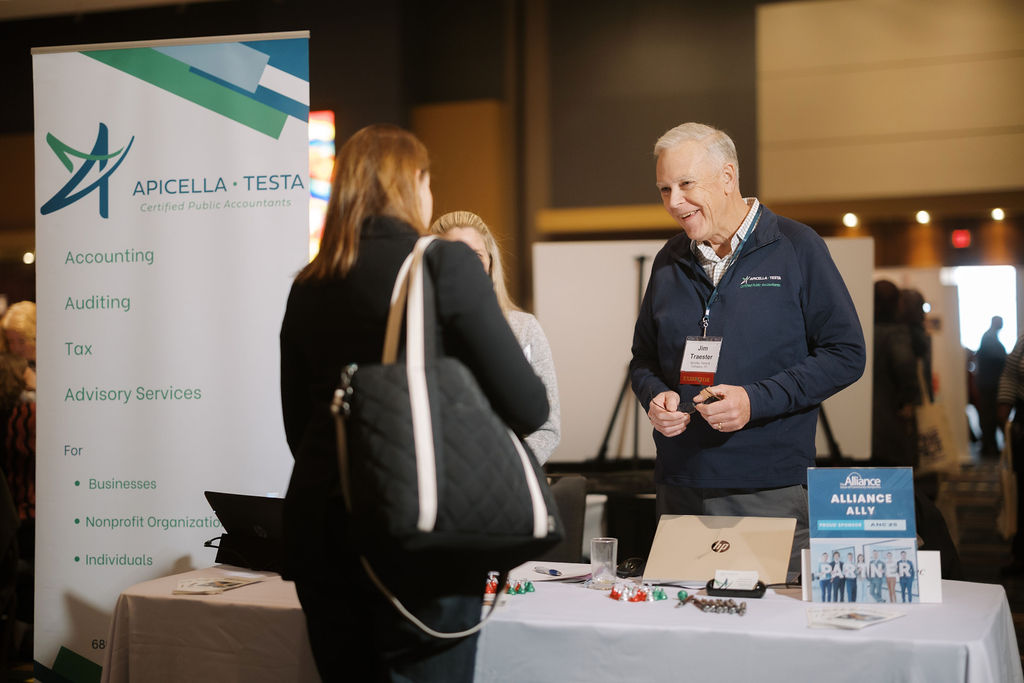
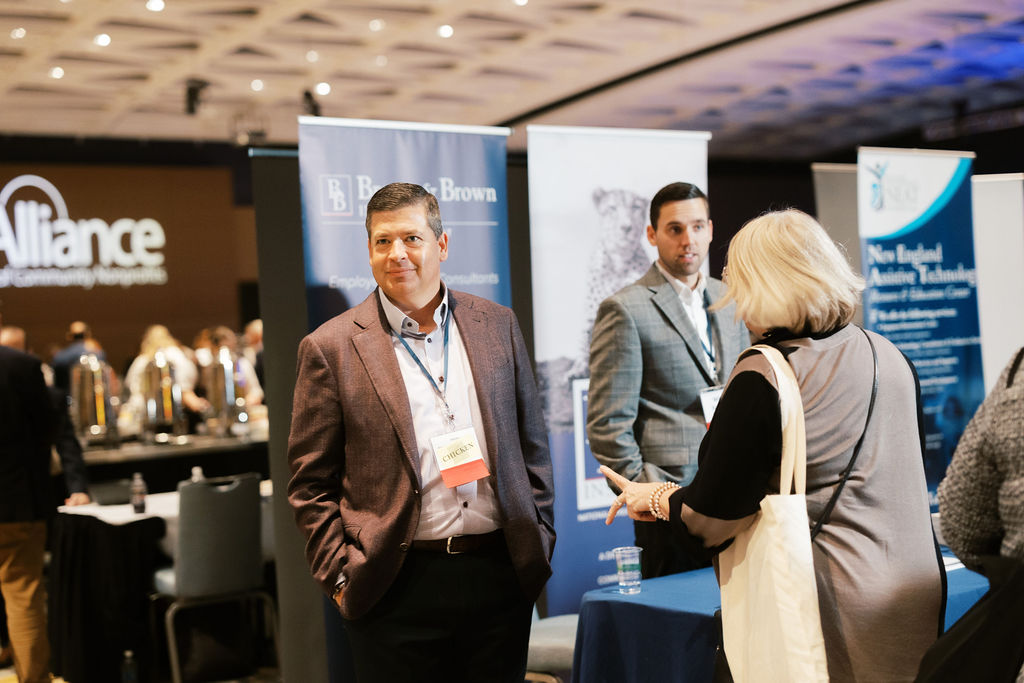
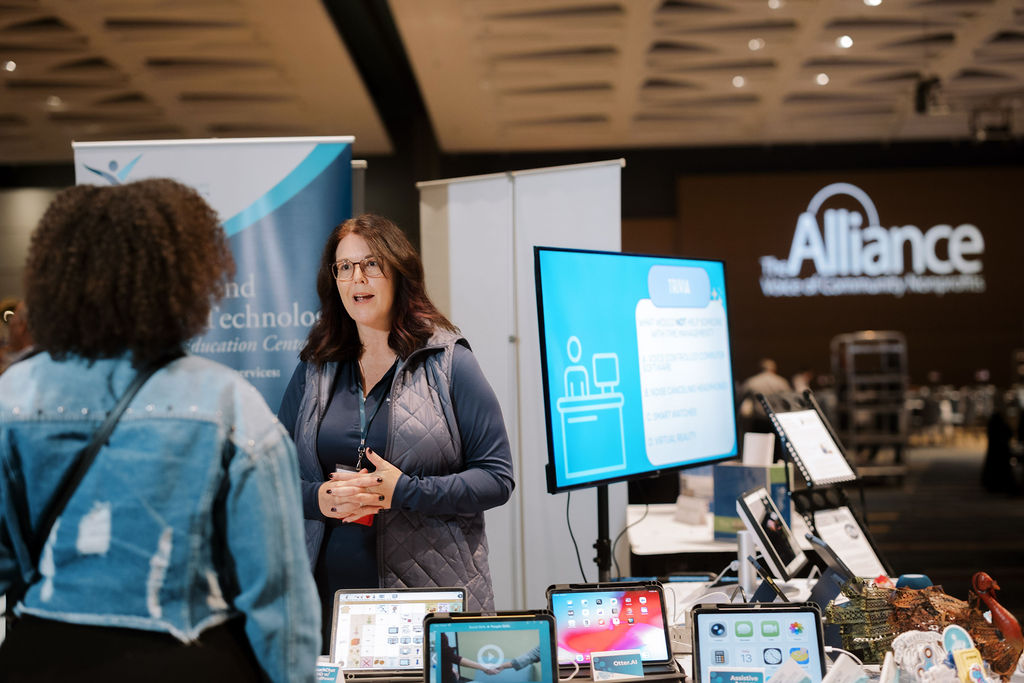
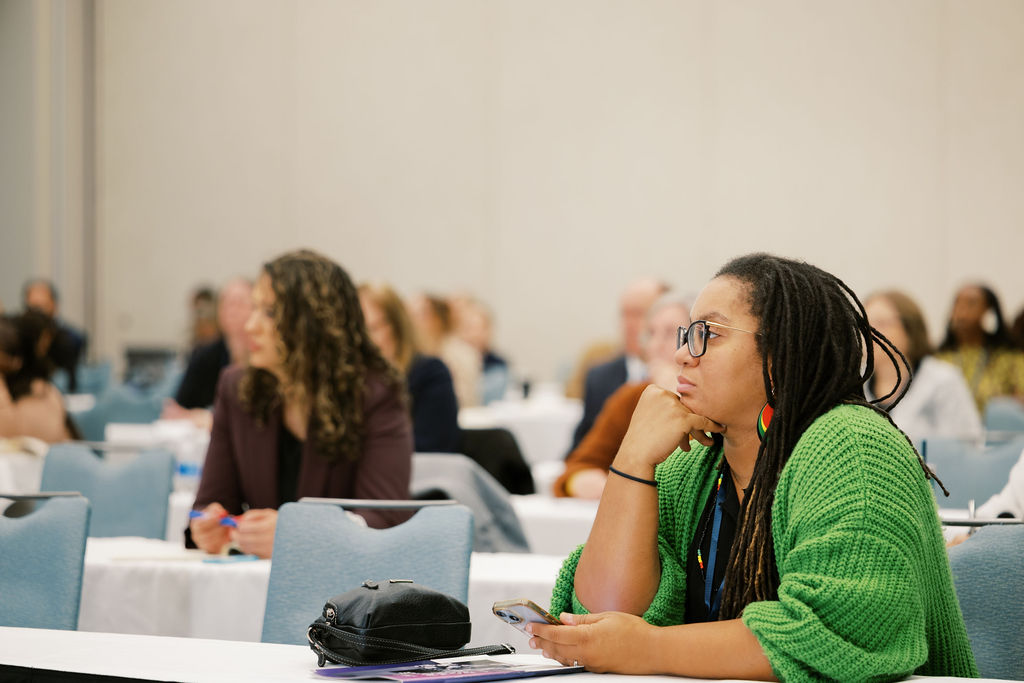
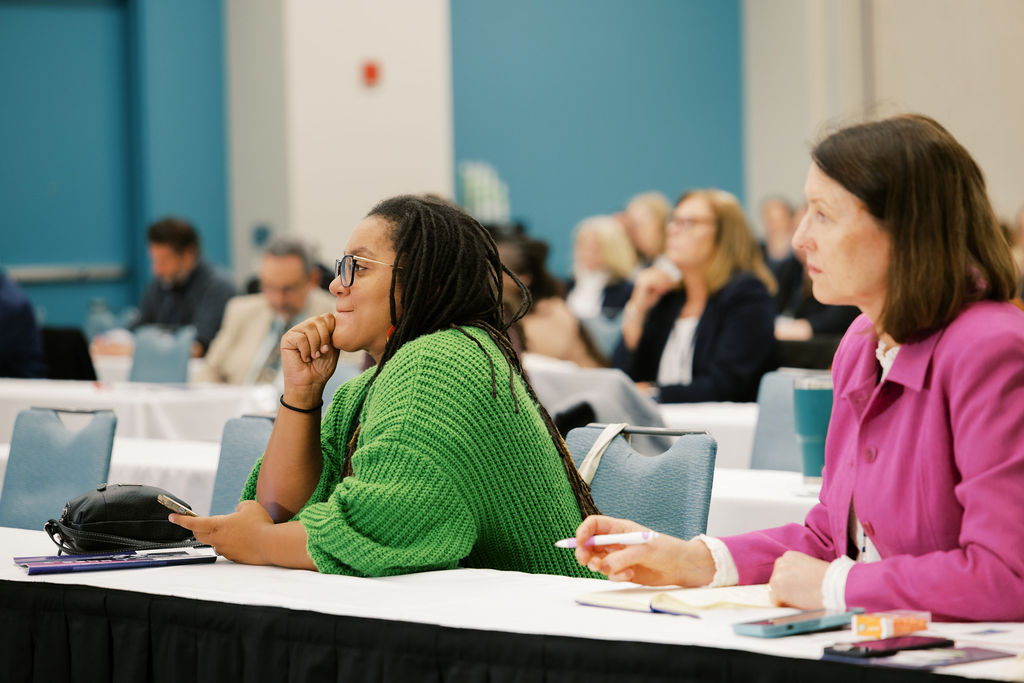
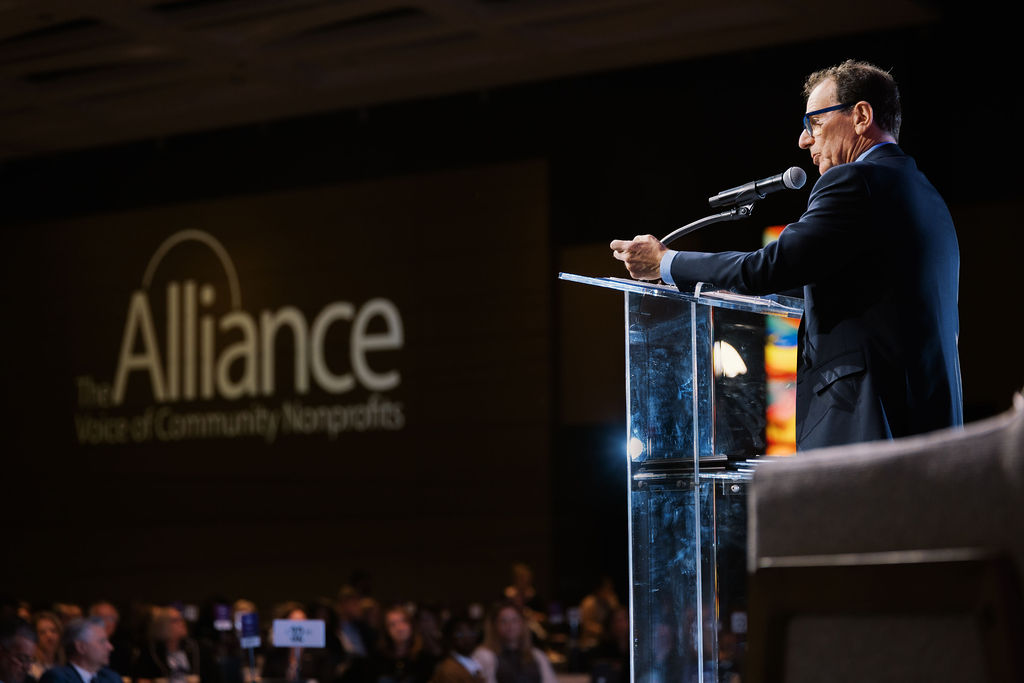
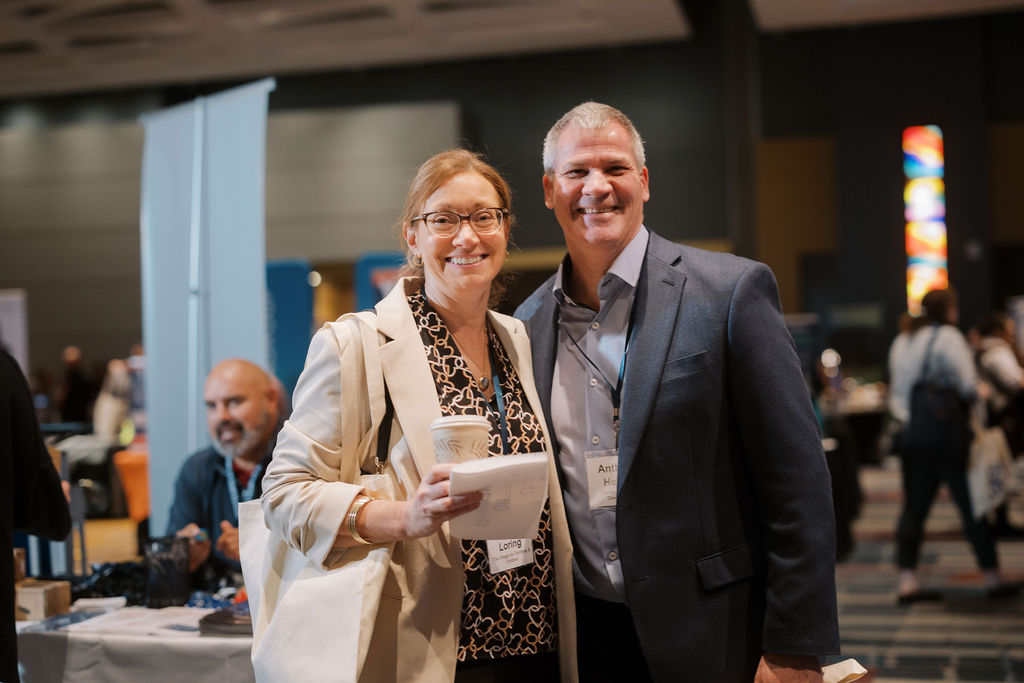
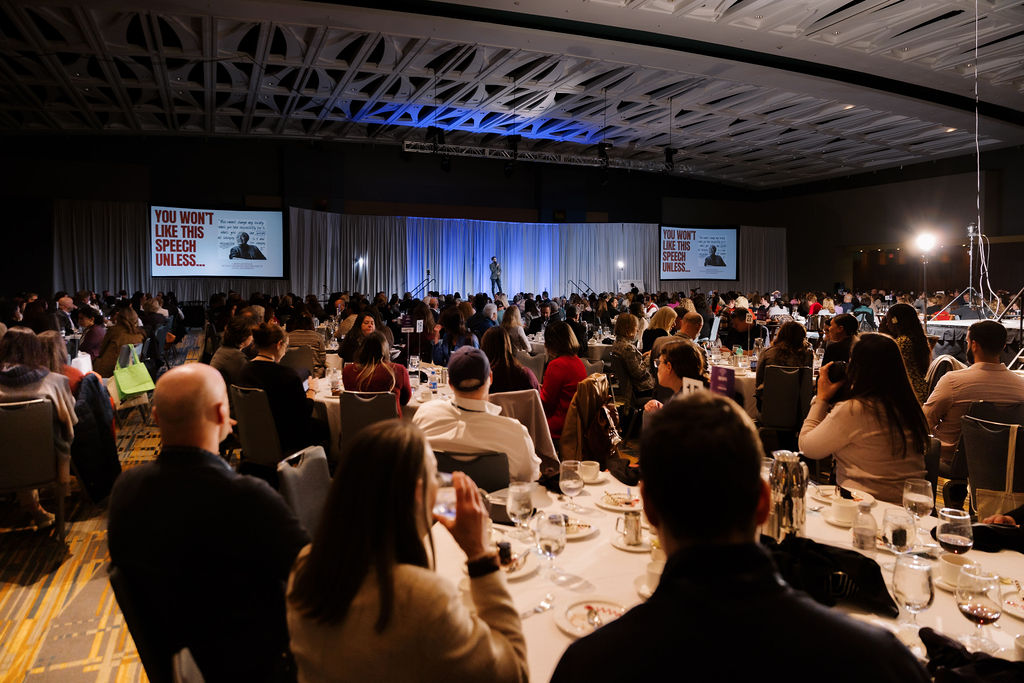
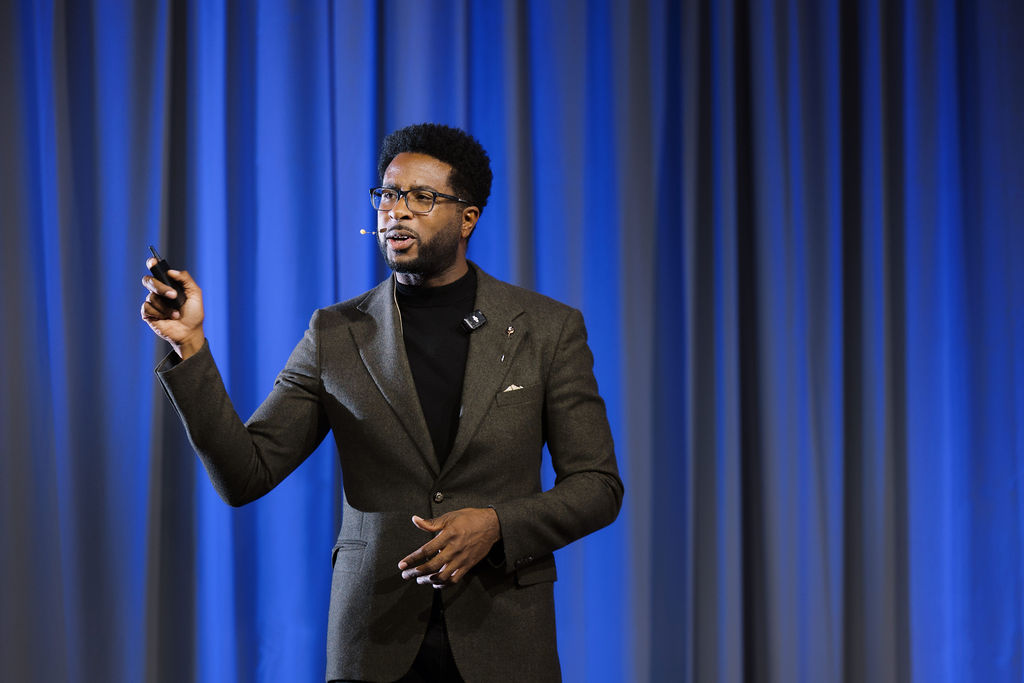
ANNUAL NONPROFIT CONFERENCE
Day(s)
:
Hour(s)
:
Minute(s)
:
Second(s)
2026 Keynote Presentation
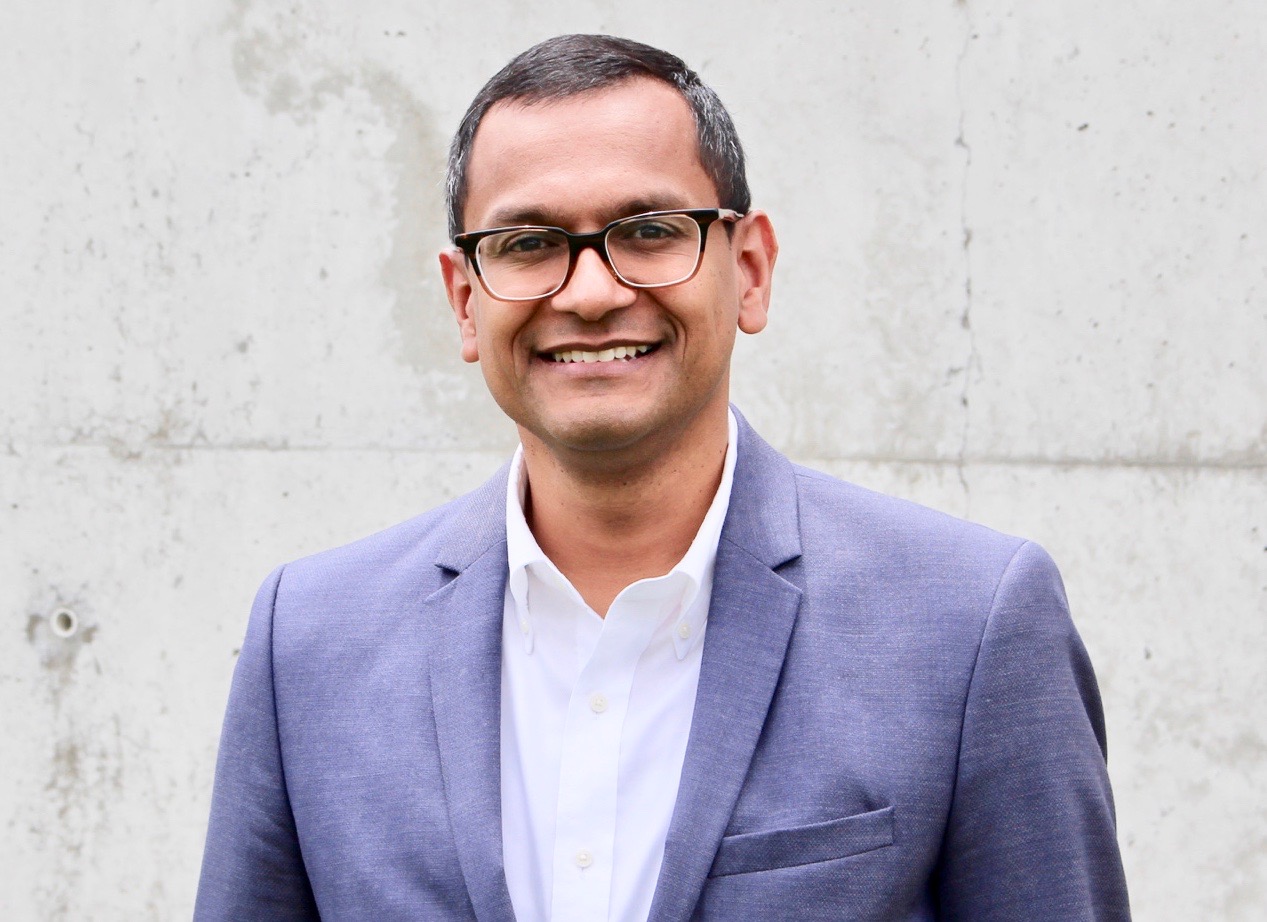
Pandit Dasa
Former Monk & Aurthor
Pandit Dasa
Mindful Leadership Expert, Author and Former Monk
The Alliance is excited to announce Pandit Dasa as our ANC’26 Keynote speaker. Pandit is an author, and former monk specializing in workplace culture, resilience, mental health, mindfulness, and the future of work. Drawing on his transformative 15-year experience as a monk in New York City, he brings a unique perspective on leadership, well-being, and building stronger, more connected workplaces.
Pandit has spoken to organizations around the world, including Google, NASA, IBM, JPMorgan Chase, The World Bank, the Federal Reserve Bank of Chicago, and the SHRM National Convention.
In his keynote, Creating a Mindful and Positive Workplace Culture, Pandit will explore how organizations can build environments where people feel valued, supported, and empowered to do their best work. An organization’s success is shaped not only by its strategy, but by its people, leadership, and culture. A thriving workplace builds trust, collaboration, and a shared sense of purpose, helping employees stay engaged, productive, and connected to their work.
Drawing on research, real-world experience, and lessons from his time as a monk, Pandit will share strategies for strengthening communication, navigating high-pressure situations, supporting well-being, and creating a culture of appreciation and recognition. Attendees will learn how mindfulness and emotional intelligence can strengthen collaboration, inclusion, and belonging while helping individuals manage stress and perform at their best.
Morning Plenary
Gubernatorial Candidate Forum
Community nonprofits play a critical role in Connecticut’s quality of life and economy. This morning plenary will give nonprofit leaders an opportunity to hear directly from Gubernatorial candidates about issues that matter to their organizations, the people they serve, and communities across the state. The session will feature Governor Ned Lamont (invited) and Republican gubernatorial candidate Ryan Fazio (invited). Candidates will have an opportunity to share their perspectives on the challenges and opportunities facing Connecticut, their priorities for the next four years, and their vision for the state’s future.
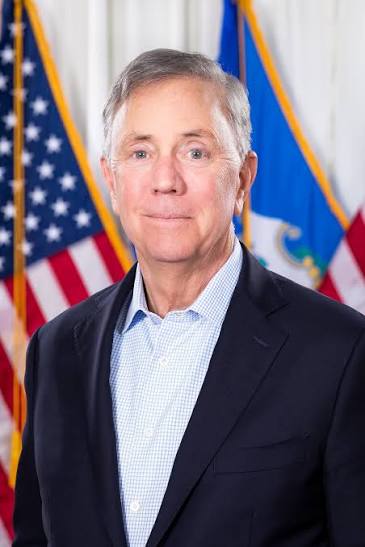
Ned Lamont
Governor of Connecticut
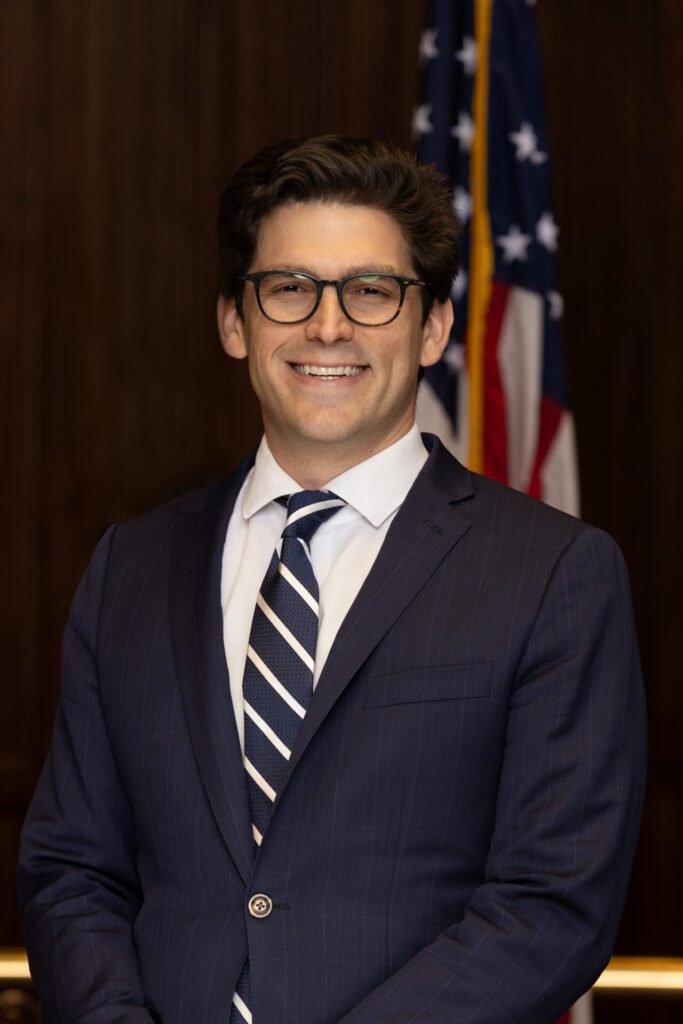
Ryan Fazio
Connecticut State Senator
Workshop Presenters
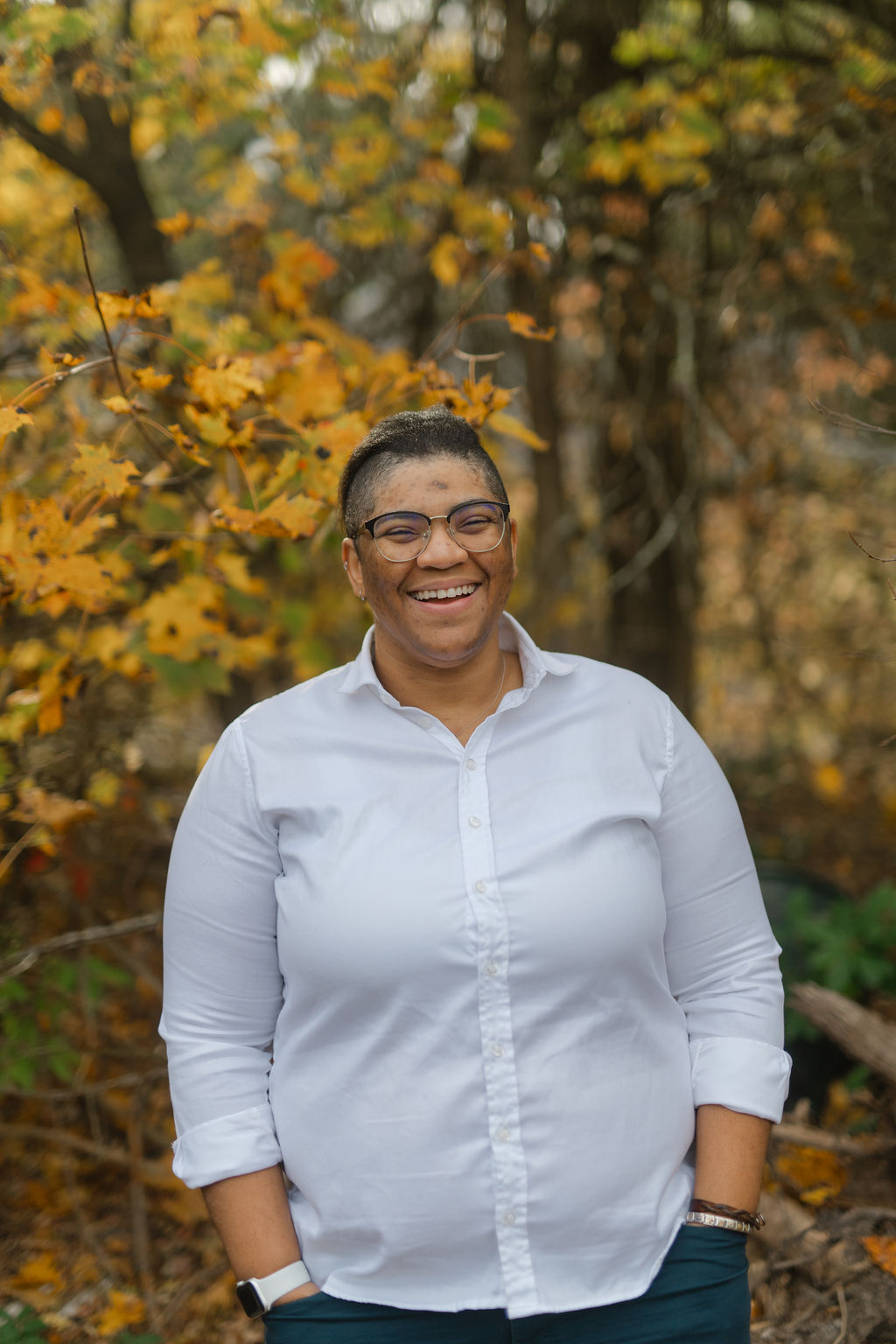
Jasmine Daly
Principal Consultant & Founder, Daly Analytics
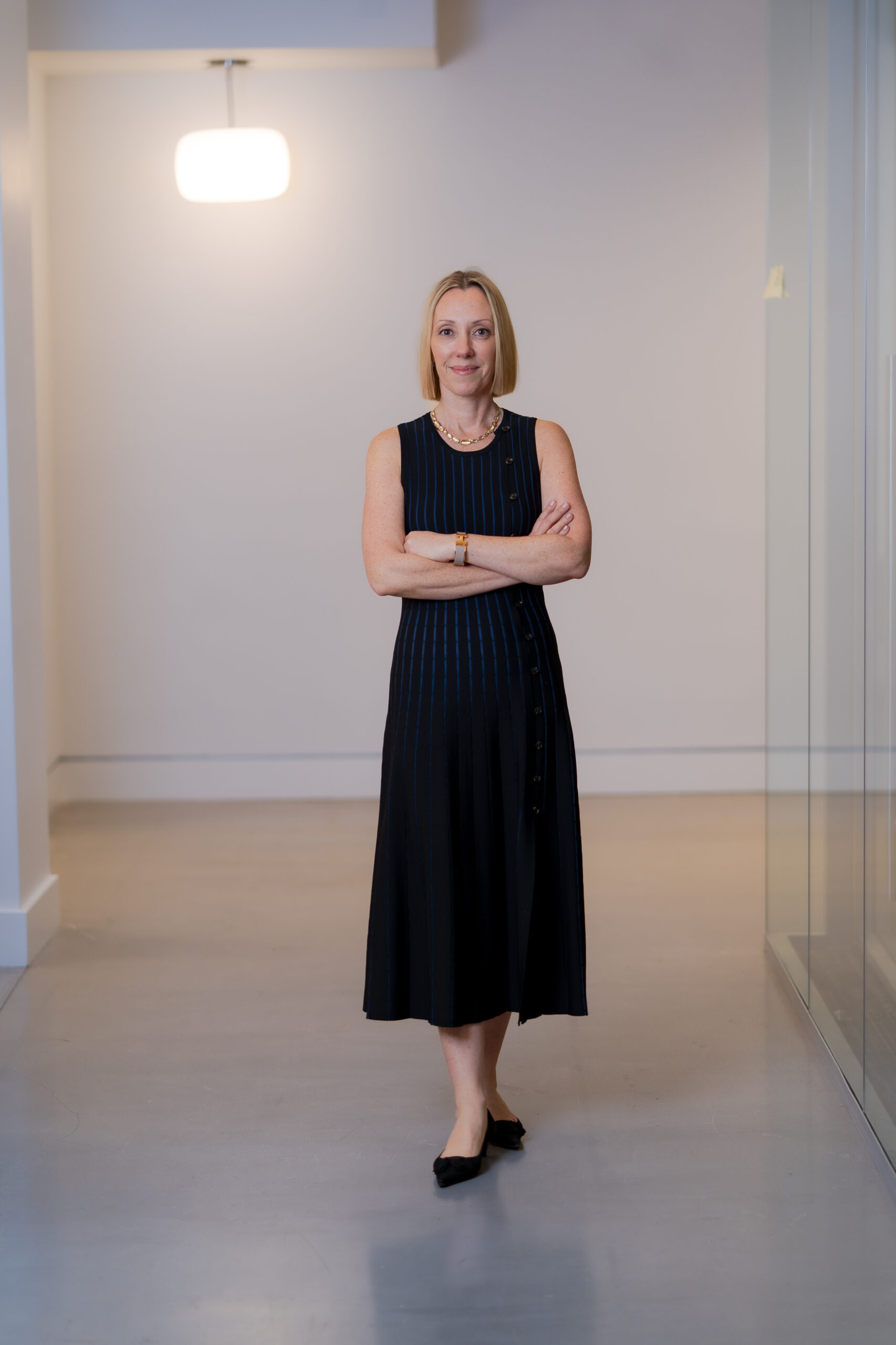
Anat Gerstein
President, anat.
Want to present at next year's conference?
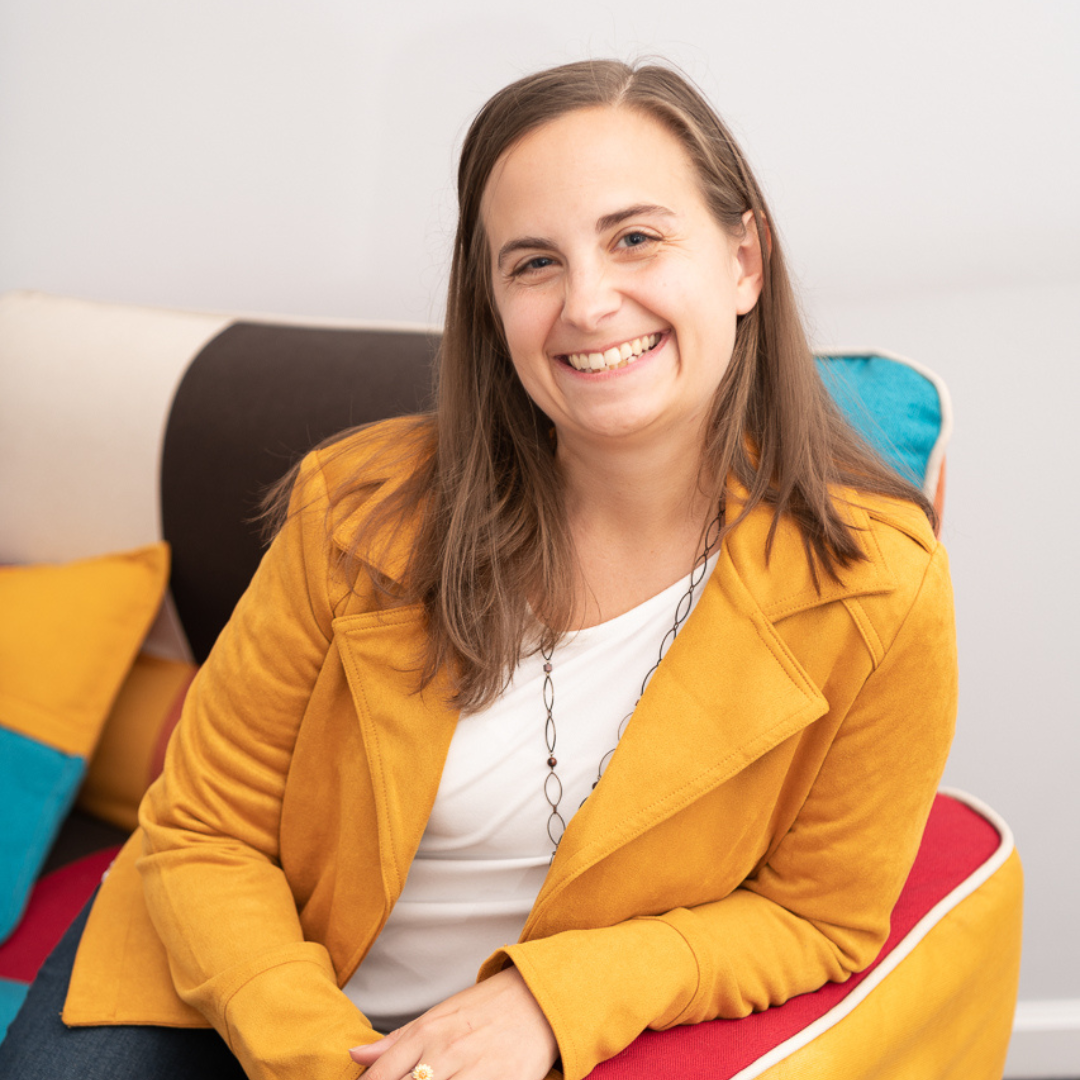
Marissa Badgley
Founder & CEO, Reloveution
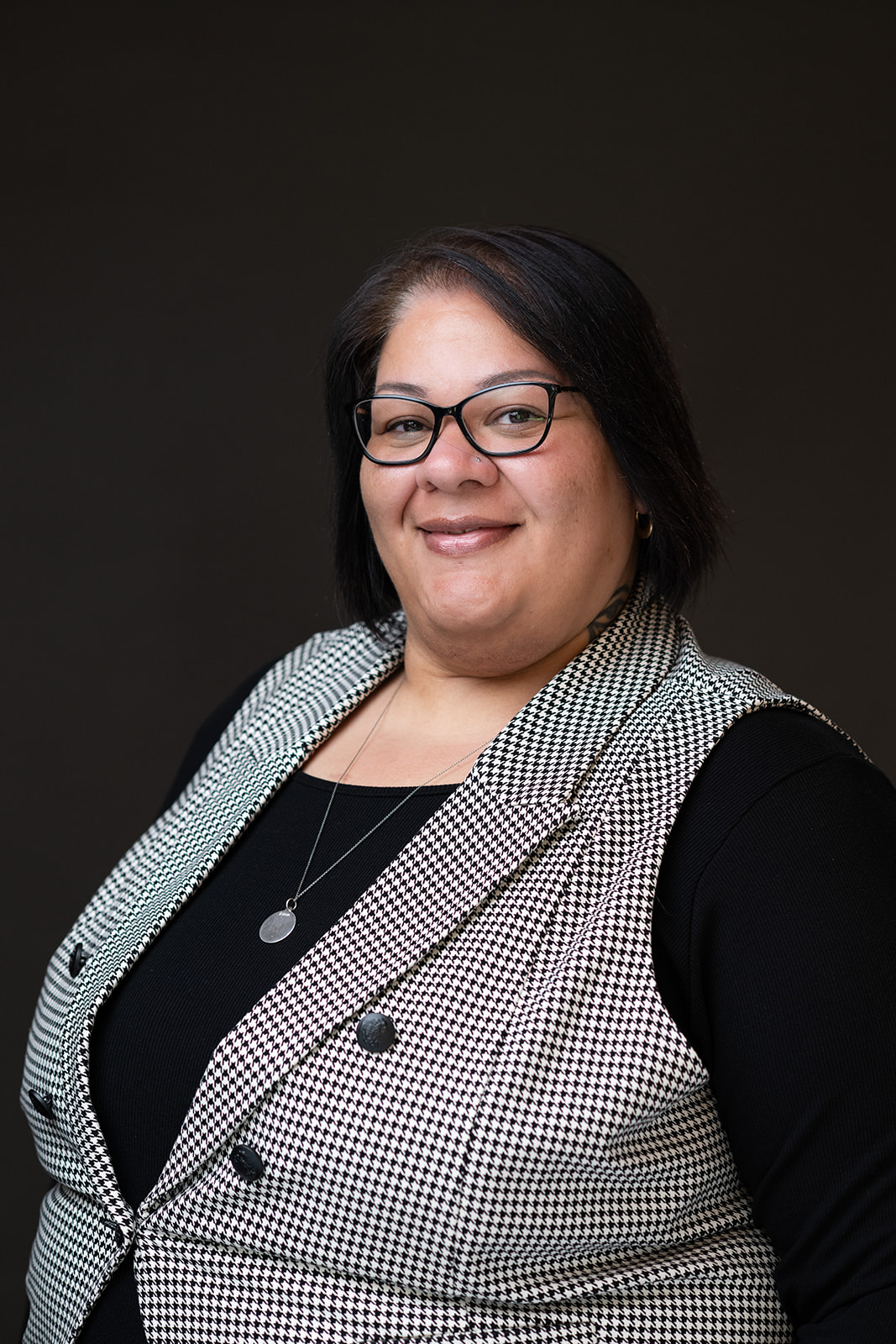
Kat Wood
incoming Chief Operating Officer, Midstate Arc
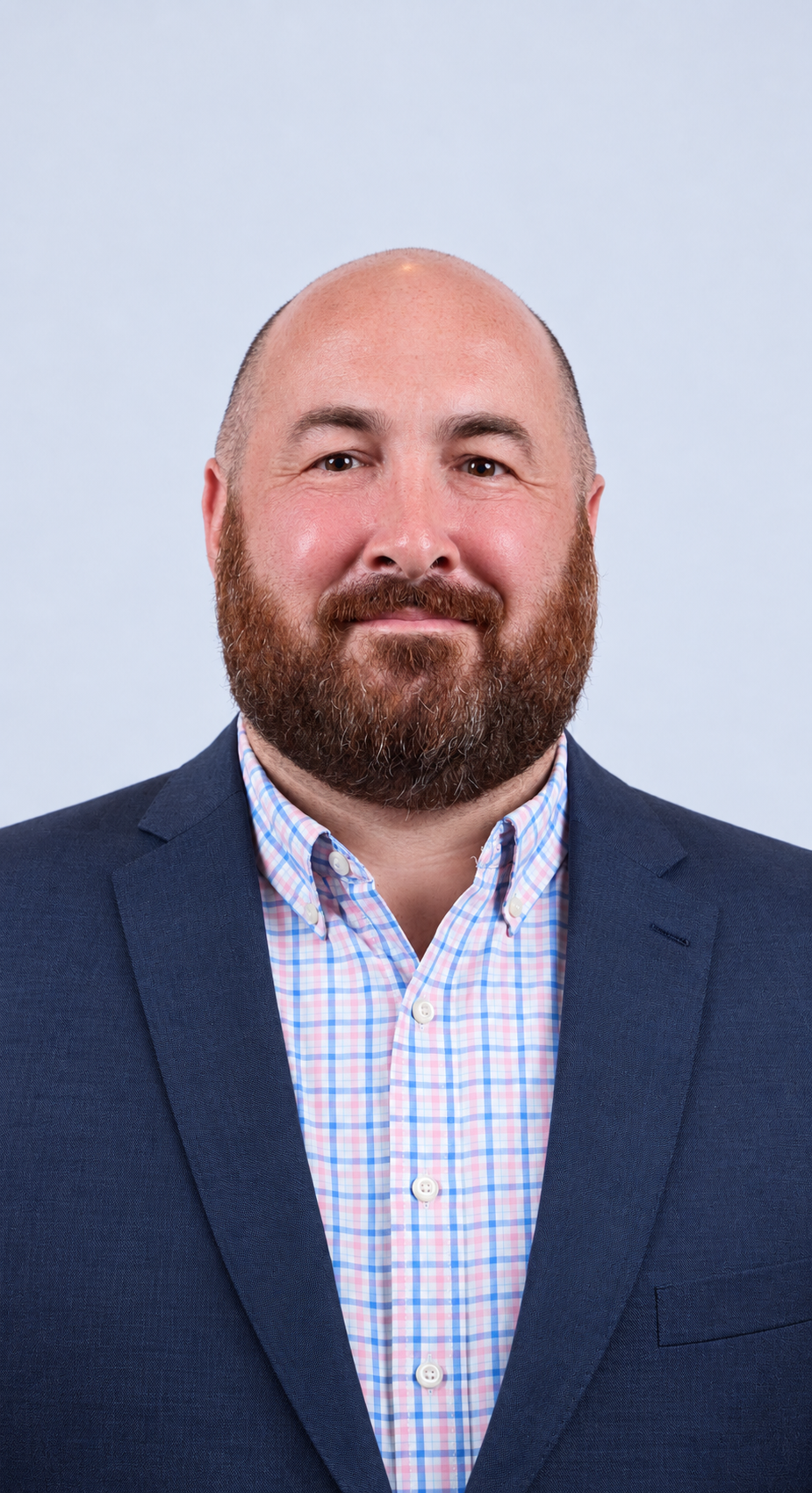
Daniel R. Giacomi
Division Director of Program Oversight and Grant Administration, CT Department of Social Services
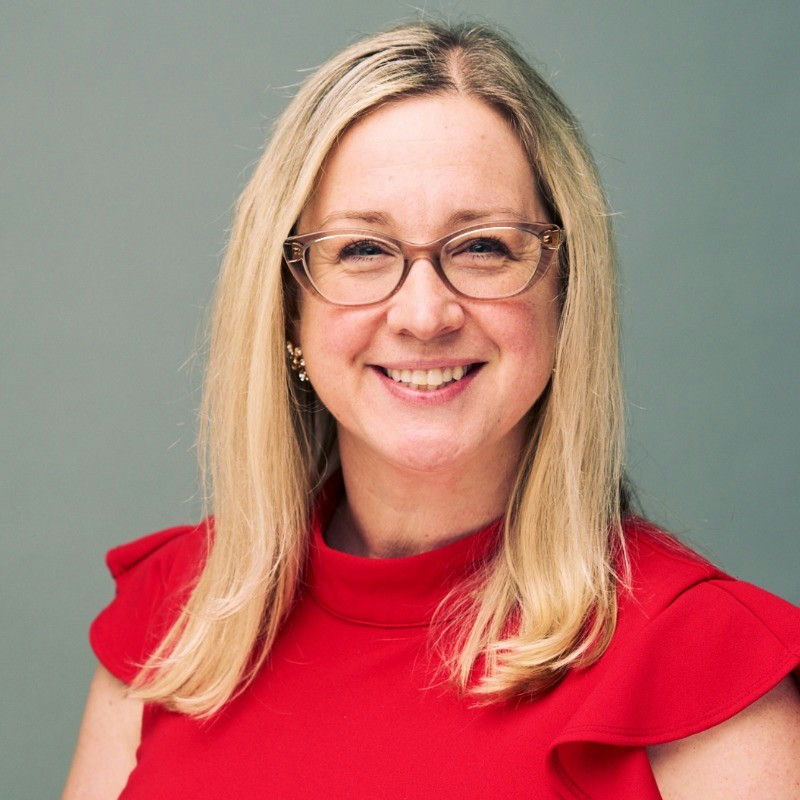
Anne Yurasek
Managing Principal, Fio Partners LLC

Stephen Osei-Bonsu
Executive Chair, Scensob
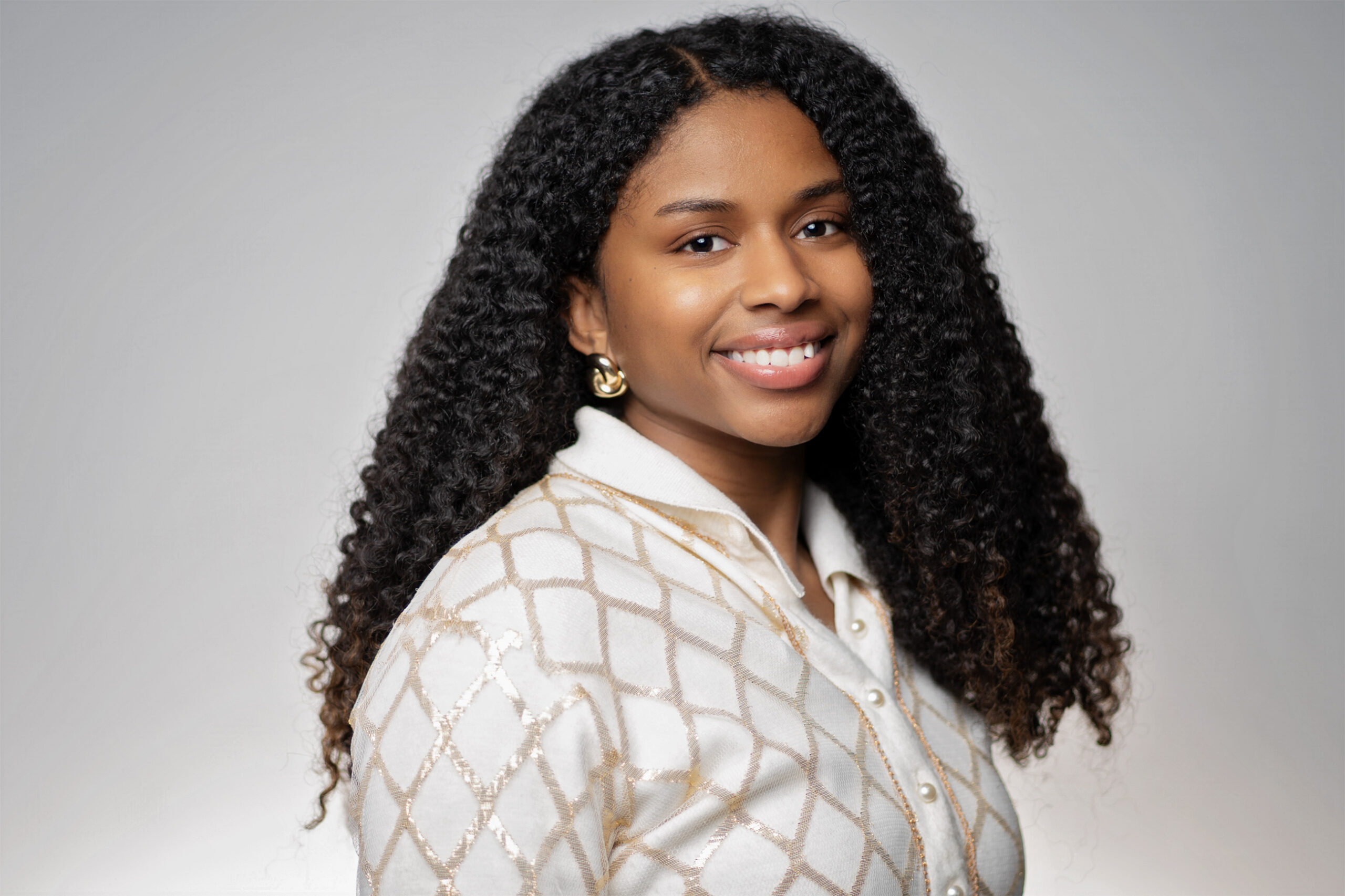
Sulema DePeyster
Individual Giving Manager, Connecticut Foodshare
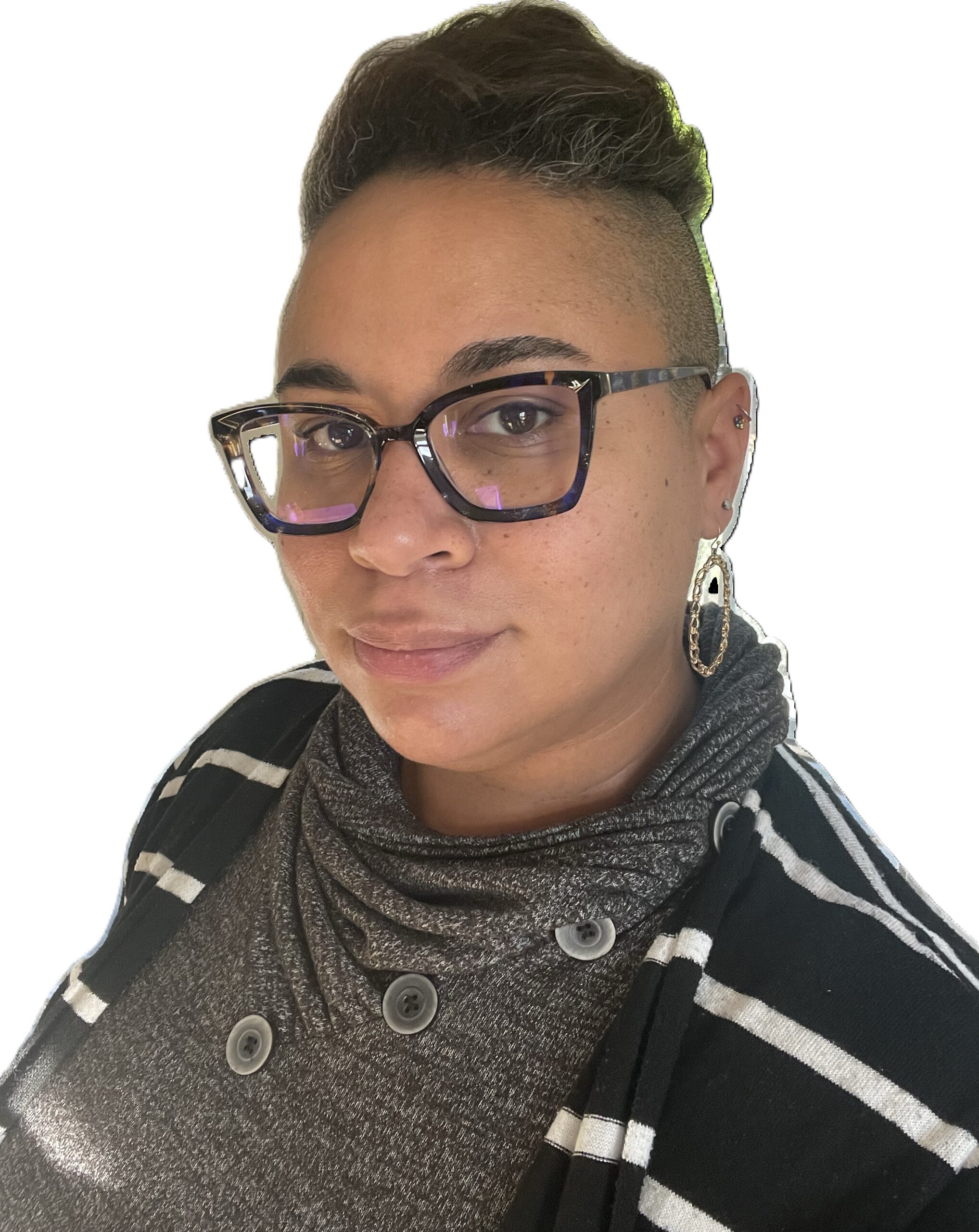
Jacquilyn Davis, CDP®
Director of Learning & Workforce Development, Mental Health Connecticut
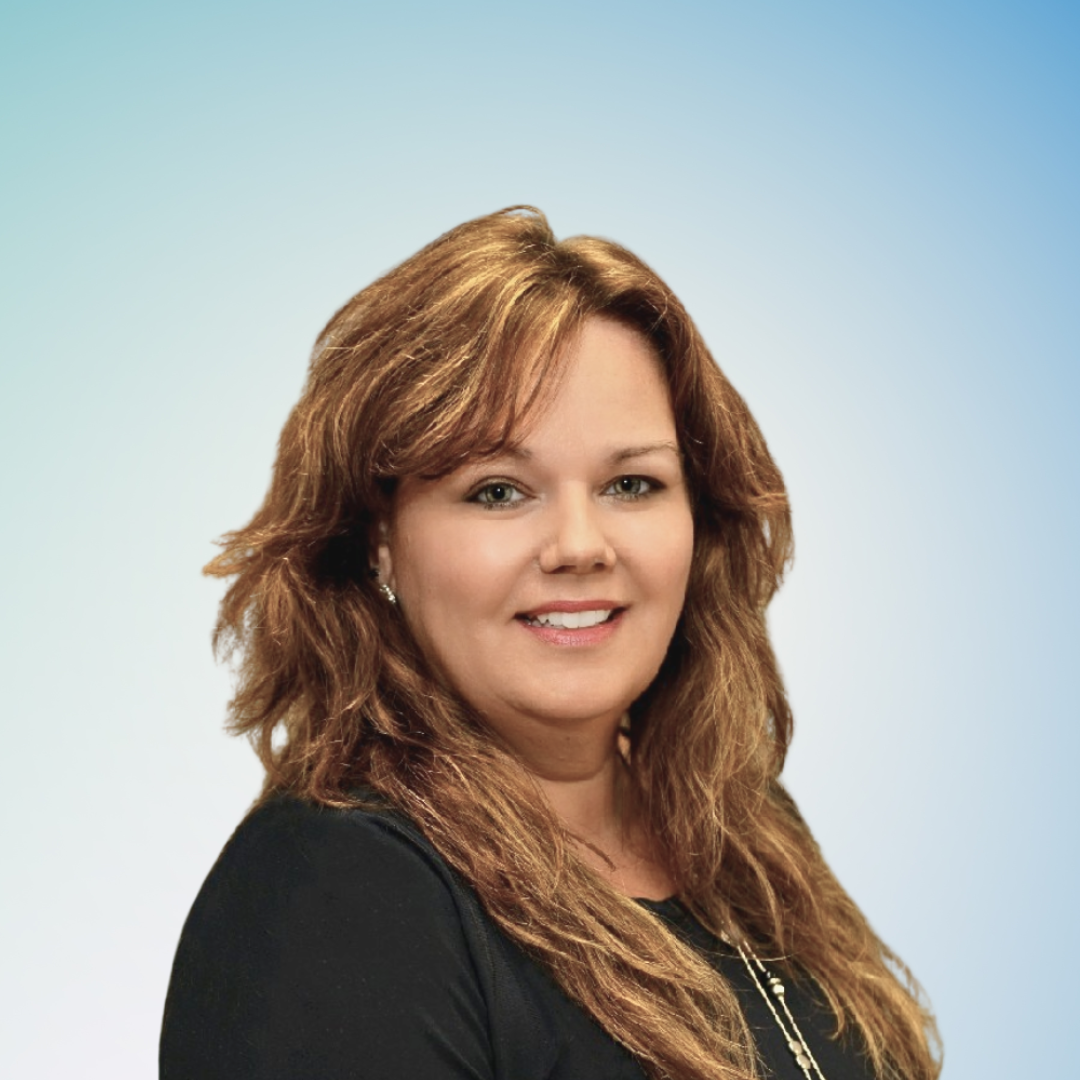
Stacey Hofmann
Chief Human Capital Officer, Community Mental Health Affiliates (CMHA)
Become a sponsor
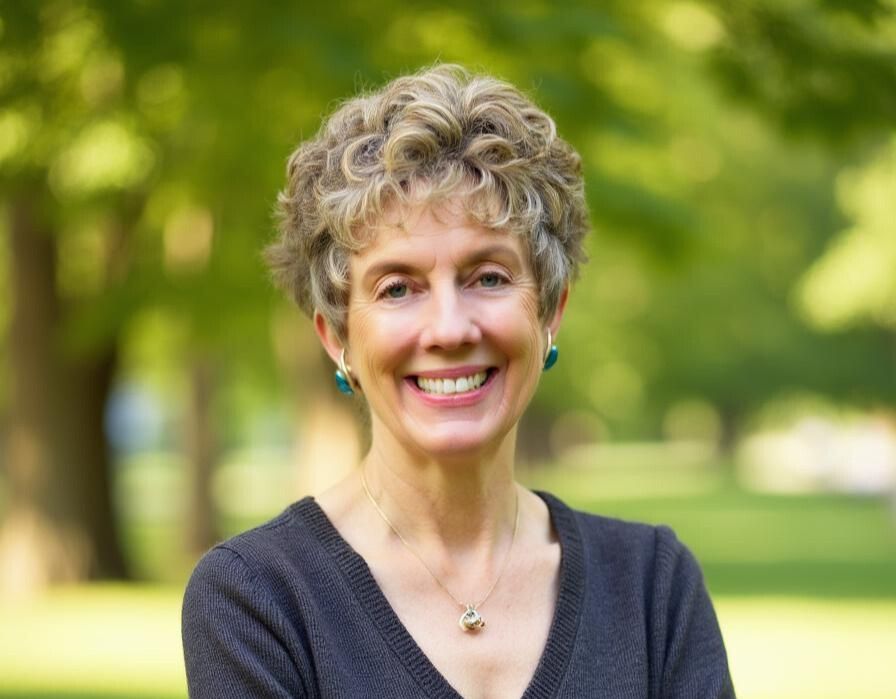
Deene Morris, MA, CPCC
PCC Principal, Inspire Leadership LLC
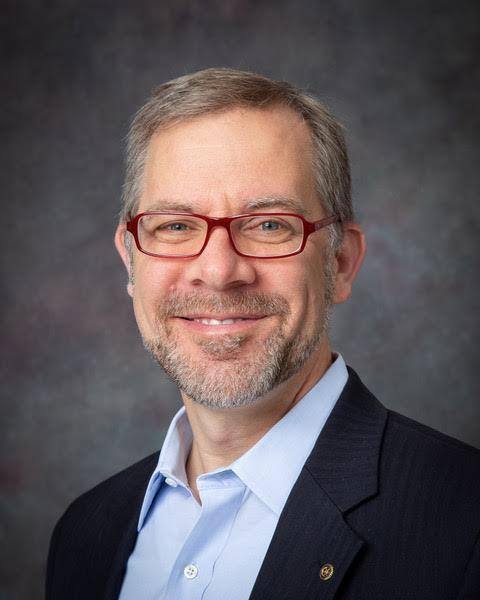
Bruce Paul
Founder, Donor Pool Builder
Allison Wyatt
Principal, Edgility Talent Partners
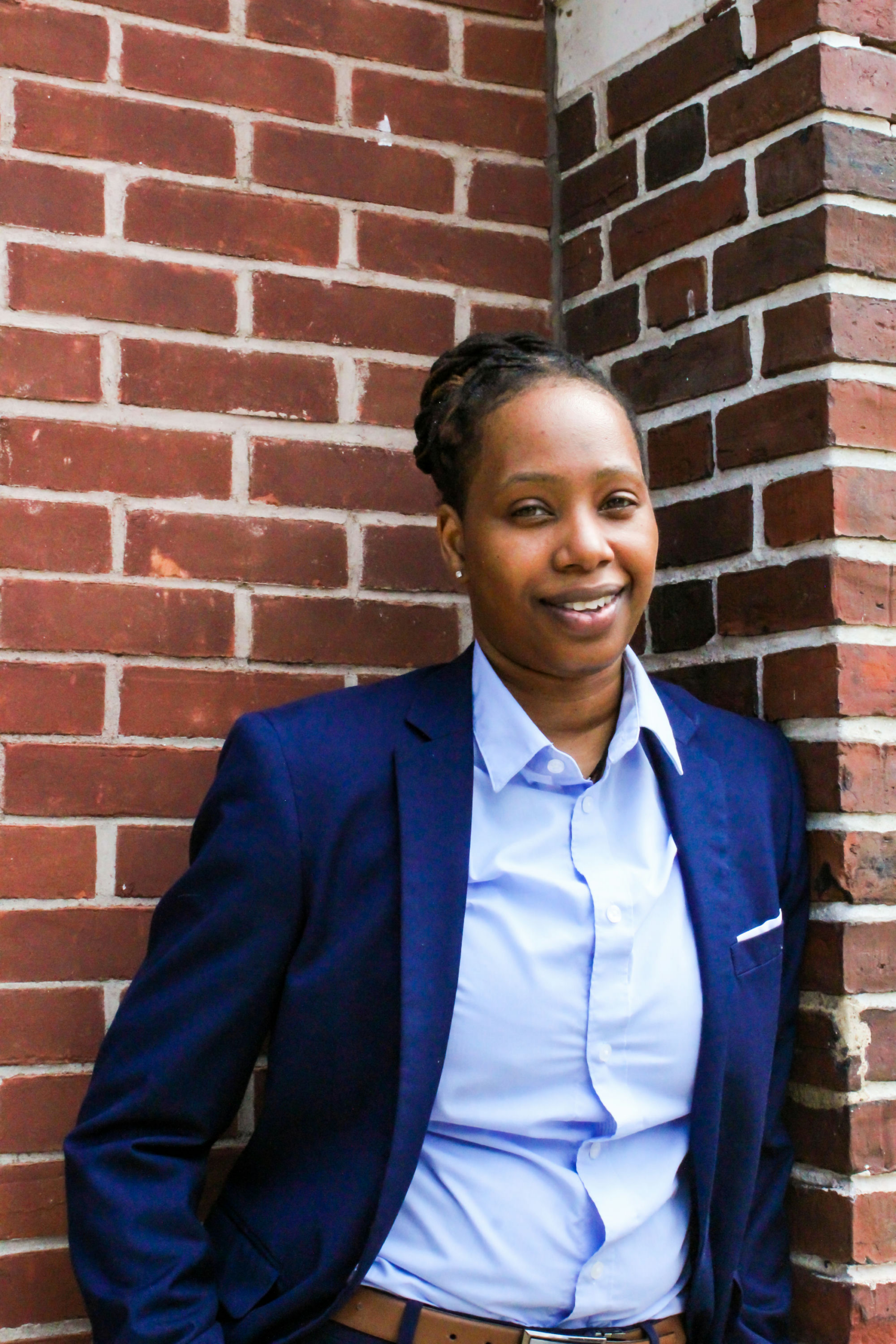
Tahnesha Bonner
Executive Director, Parents’ Foundation for Transitional Living
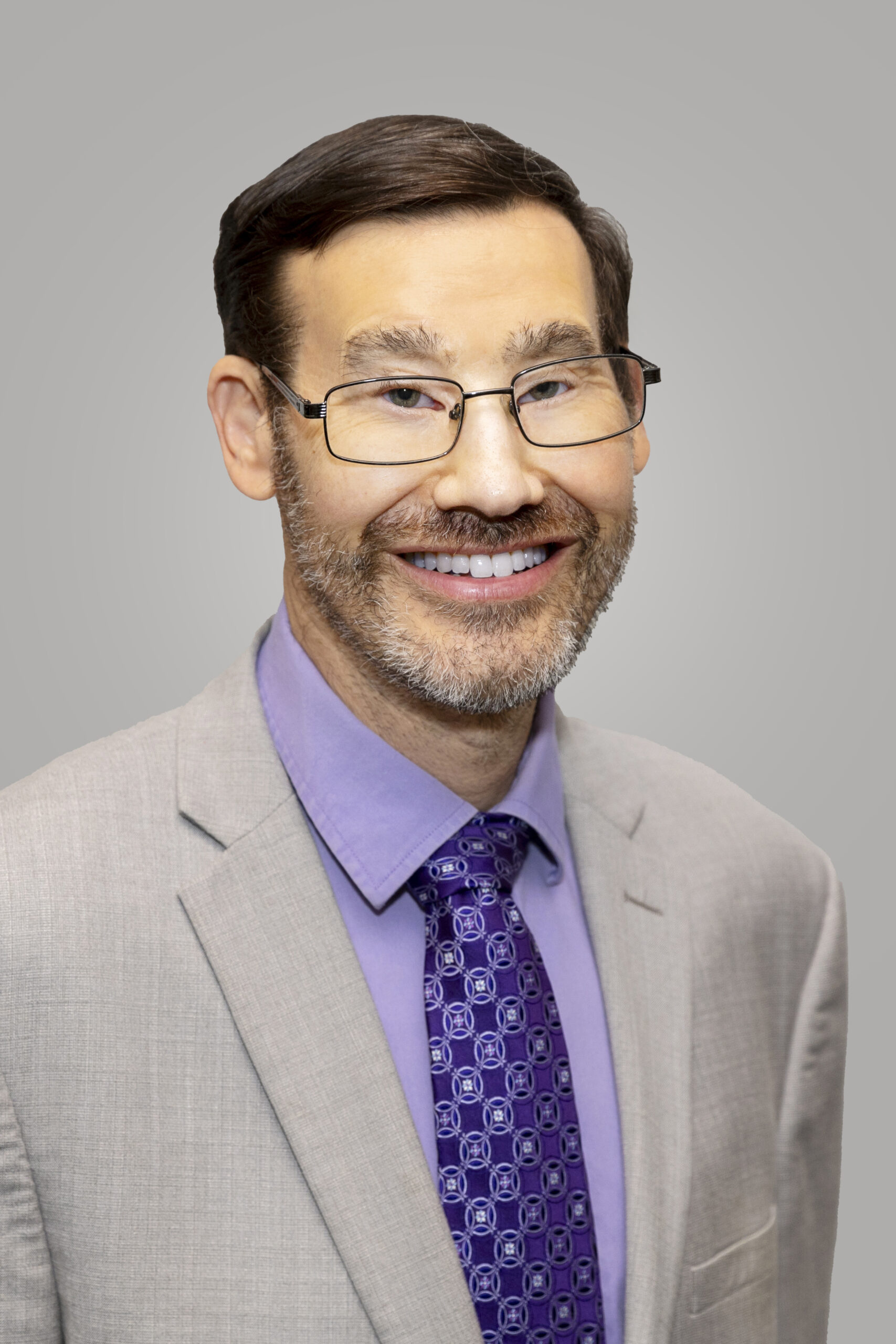
Dr. Robert Miller
Director of Enabling Technology, Aspire Living & Learning
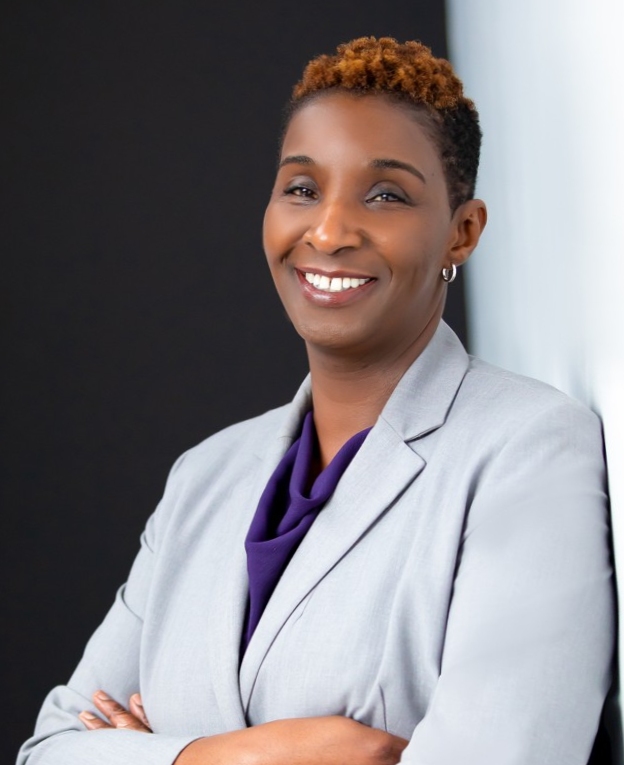
Andrea Barton Reeves
Commissioner CT Department of Social Services
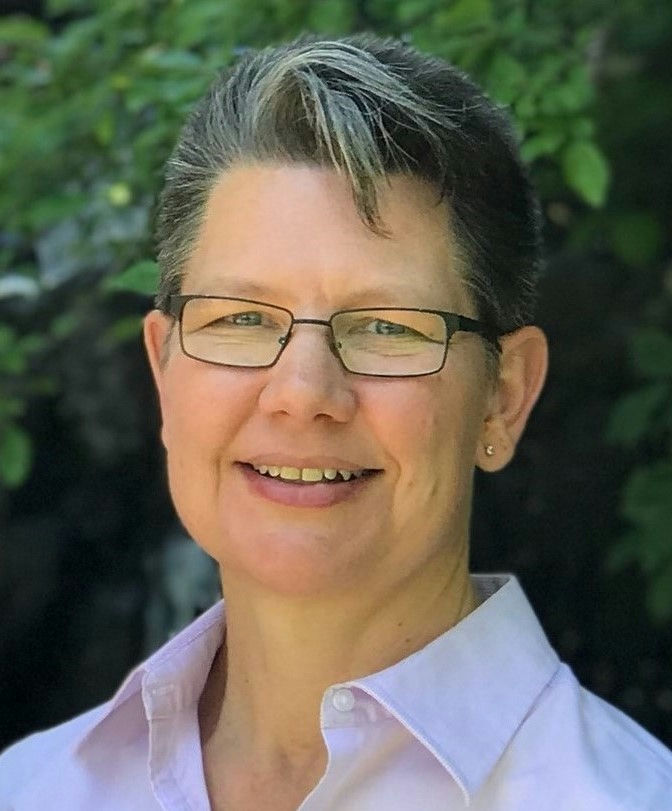
Alicia Davis
Co-Owner/Partner, Transformative Leadership Strategies
Melanie Ballestas
Principal, CLA (CliftonLarsonAllen LLP)
Have questions?
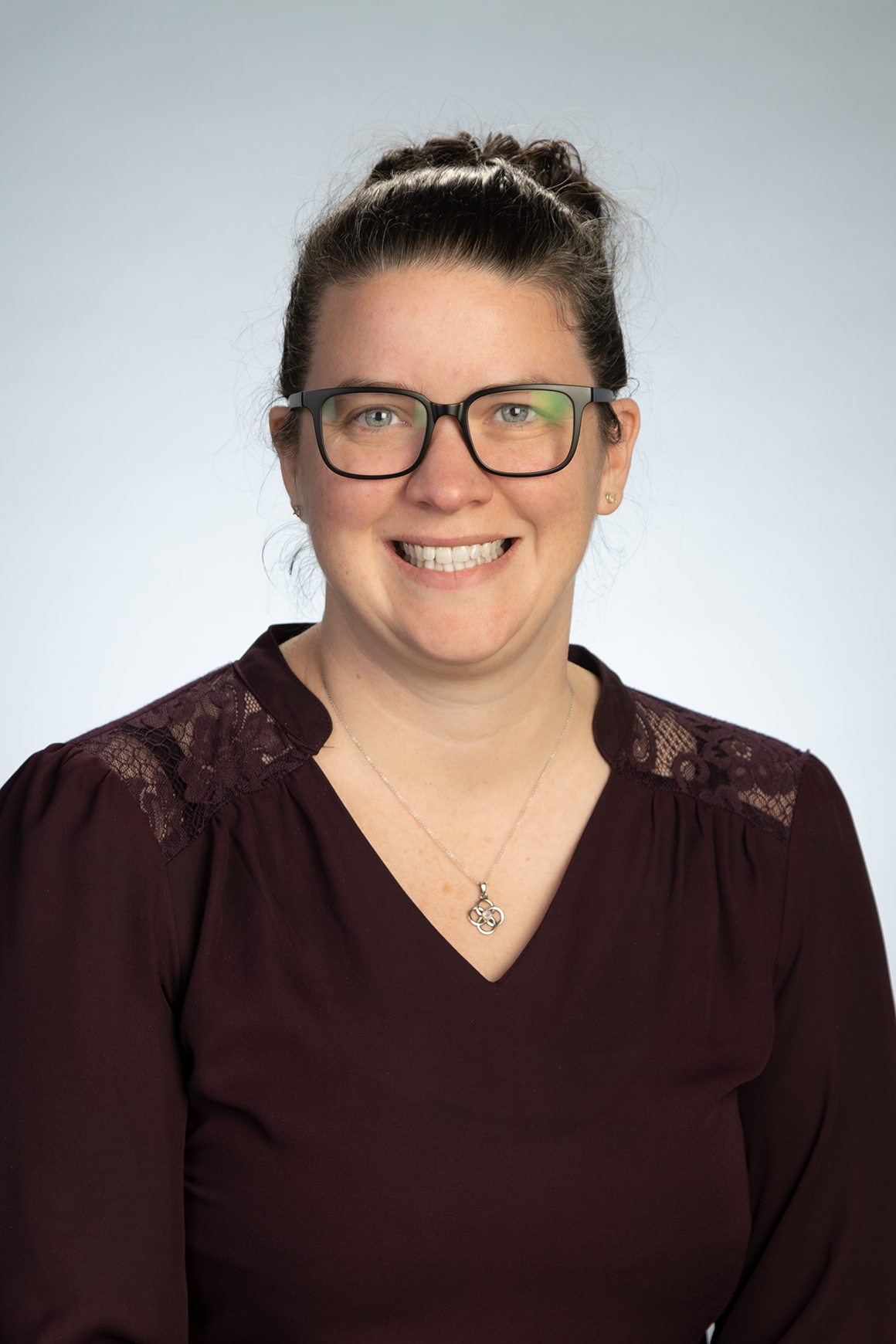
Kristen Gilfeather
Director of Assistive Technology Services, Oak Hill
Suzette DeBeatham-Brown
Special Advisor to the Commissioner, CT Department of Social Services
Workshops
Workshop Series 1 | 10:25 AM - 11:35 AM
Beyond Assumptions: Tools to Remove Barriers and Support Independence for All
Everyone encounters barriers to independence at different points in life. This interactive panel will explore how assumptions about ability and support needs can shape those experiences, while highlighting practical tools, strategies, environmental adaptations, and technologies that can help. From simple, low-cost solutions to more advanced supports, participants will see ways to improve safety, participation, independence, and quality of life at home, at work, and in the community. Participants will learn how thoughtful, person-centered solutions can reduce barriers, build confidence, and help people participate more fully in the activities that matter to them.
Kristen Gilfeather, Director of Assistive Technology Services, Oak Hill
Dr. Robert Miller, Director of Enabling Technology, Aspire Living & Learning
Kat Wood, incoming Chief Operating Officer, Midstate Arc
CEO Peer Exchange: Leading Through Uncertainty
Connect with your network! This workshop is for nonprofit CEOs and Executive Directors.
Nonprofit CEOs are navigating an environment of significant uncertainty, requiring leaders to make difficult decisions while keeping their organizations grounded in mission, vision, and values while navigating an uncertain future. Leaders will learn how to make tough decisions while fostering resilience and clarity. We will explore strategies for engaging and activating communities of support, building collaborations, and mapping possible futures.
The session will begin with a brief presentation highlighting strategies and approaches for navigating uncertainty, followed by a facilitated peer exchange where CEOs can share how they are responding to current challenges, what is working, and where they are still looking for solutions. You’ll learn from the experiences of other nonprofit leaders while building relationships with peers facing similar pressures.
This session will also serve as the kickoff of The Alliance’s new CEO Exchange, an ongoing opportunity for nonprofit CEOs to connect, share ideas, and learn from one another throughout the year.
Anne Yurasek, Managing Principal, Fio Partners LLC
Stop Guessing: Local Donor Data to Grow Giving, Trust, and Engagement
Connecticut residents donated more than $5.4 billion in the past year — but where did that money go, why did donors give, and what will motivate them to give to you? This workshop shares fresh insights from Connecticut’s unique statewide donor research initiative, based on survey data from thousands of donor households across all 169 CT towns. Participants will learn how local donors think, what builds trust, and which donors give to which causes in which towns — then turn those insights into stronger fundraising, outreach, and stewardship. All data will be updated just before the Conference and will be exclusive to conference attendees.
Bruce Paul, Founder, Donor Pool Builder
Sustaining the Mission: Preventing Burnout in Nonprofit Work
Nonprofit professionals are often driven by a deep commitment to service, advocacy, and community impact. Yet growing needs, limited resources, staffing shortages, and increasing demands can leave leaders and staff vulnerable to stress, burnout, and compassion fatigue. This workshop offers strategies to strengthen personal and organizational sustainability. Participants will explore burnout warning signs, the impact of workplace culture on well-being, and realistic approaches to self-care, boundary setting, stress management, and creating healthier, more supportive work environments that promote long-term sustainability without sacrificing purpose or well-being.
Audience takeaways include:
• A deeper understanding of burnout, compassion fatigue, and workplace stressors within nonprofit settings
• Increased awareness of personal and organizational warning signs that impact well-being and staff retention
• Tools for stress management, self-care, and setting healthy boundaries in demanding roles
• Opportunities for reflection and discussion around balancing mission-driven work with personal wellness
Jacquilyn Davis, CDP®, Director of Learning & Workforce Development, Mental Health Connecticut
The Feedback Equation: Building Feedback-Competent Leaders & Teams
Most leaders know feedback matters and still avoid giving it. Over 75% of employees value feedback, yet only 30% receive it regularly, and just 6% of managers feel skilled at candid performance conversations. Using our signature Feedback Equation framework, this workshop explores why feedback is so hard and equips leaders with the mindsets, skills, and structure to prepare for and execute feedback conversations. You will leave with a new toolkit, a Feedback Cheat Sheet download, and more confidence to have the conversations you have been putting off.
Marissa Badgley, Founder & CEO, Reloveution
Work Requirements and You: What Nonprofits Can Do to Help Their Clients Maintain Benefits
Beginning January 1, many Connecticut residents will face new work or community engagement requirements to maintain their health coverage, creating new challenges for nonprofit organizations serving clients who may be unsure whether the rules apply to them or how to comply. This workshop will provide an overview of the changes and practical tools including a pre-screener, provide client-facing materials in English and Spanish, guidance on qualifying activities and exemptions, and strategies for helping clients update their information and navigate potential barriers so nonprofit professionals can confidently support those at risk of losing coverage.
Suzette DeBeatham-Brown, Special Advisory to the Commissioner, Department of Social Services
Workshop Series 2 | 12:30 PM - 1:40 PM
From Fiduciary Compliance to Strategic Financial Stewardship
Nonprofit boards carry a fundamental responsibility for financial oversight, at the same time that governance teams often lack clarity on their specific role in overseeing internal controls and audits. This interactive session helps nonprofit leaders bridge the gap between fiduciary compliance and strategic financial stewardship. Attendees will explore key risk areas within their organization’s finance function and learn practical mitigation strategies.
The session will walk through the purpose and design of internal controls — including real-world examples of how to structure segregation of duties in small offices — and explain why preventative controls matter for safeguarding assets, producing accurate accounting data, and promoting compliance with board policy and donor restrictions.
Melanie Ballestas, Principal, CLA (CliftonLarsonAllen LLP)
How to Have a Difficult and Meaningful Conversation with Anyone
Whether you’re supervising others, collaborating with peers, or working across departments, we all have conversations we know we need to have—and don’t. We rehearse them, talk to someone else, or hope they’ll resolve themselves. Meanwhile, relationships strain and the work gets harder.
In this practical and engaging workshop, participants will learn to approach difficult conversations with greater grace and clarity—and a better opportunity to be heard and understood. Drawing from emotional intelligence, psychological safety, appreciative repair, and relational leadership, this session offers practical tools for navigating tension, strengthening trust, and moving important work forward.
Deene Morris, MA, CPCC, PCC Principal, Inspire Leadership LLC
Leveraging the Middle: Upskilling Managers to Transform Human Services
Human services organizations are facing unprecedented disruption: workforce burnout, funding instability, rising complexity, regulatory pressure, technological change, and leadership fatigue. Traditional leadership models can no longer sustain the sector. Incremental improvement is insufficient. Successful organizations will redesign systems and invest in their most underleveraged asset: middle management.
Middle managers are no longer operational supervisors but strategic integrators driving culture, retention, innovation, and execution. Yet they remain underdeveloped and overwhelmed. Using the Archimedes principle, this workshop positions middle management as the fulcrum of transformation, amplifying strategy, stabilizing the workforce, and enabling sustainable impact. Benefits of this method include creating stronger operational alignment across the organization, building sustainable succession and leadership pipelines and equipping managers to navigate ambiguity, disruption, and continuous change.
Stephen Osei-Bonsu, Executive Chair, Scensob
Managers & Supervisors Peer Exchange: Staff Retention & Recognition
Connect with your network! This workshop is for nonprofit managers and supervisors. Join your peers from across the state for a discussion focused on one of the biggest challenges facing nonprofit leaders: supporting and retaining staff. This session will create space for managers and supervisors to learn directly from one another through facilitated small- and large-group conversations. Come ready to share what’s working at your organization, hear new ideas from your peers, and make connections with peers who are navigating many of the same challenges.
Alicia Davis, CO-Owner /Partner, Transformative Leadership Strategies
The Power of the Everyday: Rebuilding Culture, Engagement, Trust & Purpose
Organizational culture is shaped by everyday experiences, leadership behaviors, and interactions, not just mission statements. Drawing on the experiences of Parents Foundation for Transitional Living and CMHA, this workshop explores practical strategies to strengthen trust, psychological safety, engagement, employee voice, and connection to purpose. Participants will gain actionable approaches to leadership, communication, recognition, values alignment, and trauma-informed storytelling that can strengthen culture and drive meaningful change.
Tahnesha Bonner, Executive Director, Parents’ Foundation for Transitional Living
Stacey Hofmann, Chief Human Capital Officer, Community Mental Health Affiliates (CMHA)
The Power of Mid-Level Giving: A Critical Pipeline to Major Gifts
Why is it so critical for nonprofit organizations to cultivate mid-level donors? According to a 2025 report by the Fundraising Effectiveness Project, mid-level donors make up 16% of philanthropic dollars and over 15% of all donors. What’s more, this segment represents the pipeline to major gifts and even legacy giving, both of which are vital for the long-term financial stability of nonprofits. Join Connecticut Foodshare’s Individual Giving Manager Sulema DePeyster for an engaging presentation on how to identify, steward, and upgrade your mid-level donors.
This workshop will provide communication and donor upgrade strategies for organizations with and without an existing mid-level giving program. We will outline the details of successful solicitation efforts and other opportunities to increase donor engagement.
Sulema DePeyster, Individual Giving Manager, Connecticut Foodshare
Workshop Series 3 | 3:05 PM - 4:15 PM
A Values-Driven Framework for Drafting Your Nonprofit's AI Policy
Generative AI is here, but most nonprofits don’t have a policy guiding how it’s used. This workshop is for leaders and board members making AI decisions without being AI experts. No technical background required.
You’ll work through three interactive elements: a guided reflection on your own AI boundaries, a small-group discussion on personal and organizational AI values, and hands-on activities (a dot sticker voting data sensitivity and risk profiling and a spectrum-line exercise) that surface where your organization actually sits. You’ll leave with the building blocks of an AI use policy and a framework you can bring back to your leadership table to start drafting in earnest, grounded in your values, not the hype.
Jasmine Daly, Principal Consultant & Founder, Daly Analytics
From Quiet to Quoted: Using Thought Leadership to Raise Your Organization's Profile
Every nonprofit wants to be known for something—but too often, organizations do great work without becoming recognized as the go-to voice on the issues they care about most. This practical workshop will show participants how to intentionally build visibility and credibility through a coordinated thought leadership strategy.
Participants will learn how to identify the issues their organization wants to own, develop compelling perspectives around those issues, and use media relations, digital communications, speaking opportunities, awards, and executive visibility to consistently reinforce their expertise. The session will include real-world examples, practical tools, and actionable strategies that communications, fundraising, executive, and community engagement professionals can immediately put into practice.
Anat Gerstein, President, anat.
From Risk to Resilience: A Nonprofit’s Guide to Sustainable Restructuring
Nonprofits navigate constant pressure—funding shifts, uncertain federal changes, evolving needs. This workshop equips you with a practical framework to move from reactive crisis management to sustainable restructuring. We’ll walk through five key steps: assessing your funding risk, building financial scenarios, analyzing industry trends, right-sizing expenses, and planning your talent strategy. Whether you’re anticipating growth, managing reductions, or already adapting, you’ll leave with a clear roadmap and the tools to restructure with transparency, care, and strategic intent.
Alison Wyatt, Principal, Edgility Talent Partners
How to Have a Difficult and Meaningful Conversation with Anyone
Whether you’re supervising others, collaborating with peers, or working across departments, we all have conversations we know we need to have—and don’t. We rehearse them, talk to someone else, or hope they’ll resolve themselves. Meanwhile, relationships strain and the work gets harder.
In this practical and engaging workshop, participants will learn to approach difficult conversations with greater grace and clarity—and a better opportunity to be heard and understood. Drawing from emotional intelligence, psychological safety, appreciative repair, and relational leadership, this session offers practical tools for navigating tension, strengthening trust, and moving important work forward.
Deene Morris, MA, CPCC, PCC Principal, Inspire Leadership LLC
The Emotionally Intelligent Team: Building Trust, Connection, and Results
Emotional intelligence is often viewed as an individual skill, but high-performing teams rely on something more: Team Emotional Intelligence (Team EI). When teams develop shared norms that foster trust, understanding, and open communication, they are better equipped to navigate challenges, collaborate effectively, and achieve results. In this session, participants will explore two foundational Team EI practices and leave with strategies to strengthen collaboration, psychological safety, and team effectiveness.
Alicia Davis, Co-Owner/Partner, Transformative Leadership Strategies
ANC’26 Sponsors
Thank You for Your Support of the Nonprofit Community